Acne Face Map: What Breakout Location Can and Can't Tell You
You can't pin down the cause of acne from its location alone. Look at what touches that spot and what has changed in your routine or life at the same time.

In this article7 sections
- Can acne location tell you the cause?
- Forehead and hairline: check your hair and hair products first
- Nose and cheeks: separate clogged pores from things that touch your skin
- Around the mouth and chin: look at hormones and contact together
- Back and chest: trapped sweat and repeated friction
- Acne face map checklist: 7 areas
- When to see a dermatologist
| Topic | What the sources say | Source |
|---|---|---|
| How acne forms | Oil and skin cells clog pores, skin bacteria multiply inside the blocked follicle, and the area turns red and swollen. The process is the same in every location | NIAMS acne overview · Institution |
| Where it commonly appears | Acne is common on the face (almost everyone with acne), the back (more than half), and the chest (about 15%) | NHS 111 Wales acne guide · Institution |
| Skin bacteria differ by area | Comparing 6 facial areas in 30 healthy people and 55 people with acne, the acne group had a 127% higher median relative abundance of Cutibacterium on the forehead (cross-sectional study; this does not show a cause) | 2026 regional skin bacteria study · B |
| Delay when products are the cause | Acne caused by makeup or hair products can appear from a few days to 6 months later | AAD makeup and hair product guidance · Institution |
| Face mapping | We found no study showing that acne location can reveal the state of an organ | Review of literature and institution sources |
Can acne location tell you the cause?
Where acne shows up is a clue that helps narrow things down, but it does not tell you the cause on its own. NIAMS explains acne on the forehead and on the chin through the same process. What differs by area is what touches that spot often and which products run down onto it.
Face maps that pair areas with organs, like “chin means hormones, forehead means digestion,” had no support in the papers and health organization materials behind this article. The only regional difference we found was in skin bacteria, and that study looked at a single point in time, so it cannot separate cause from effect. Readings that say “pimple location shows your health” come from the same face-map idea and were not confirmed in our sources either.

Forehead and hairline: check your hair and hair products first
If small bumps keep coming back along the upper forehead and hairline, check first whether hair products are touching your skin. The AAD explains that oils in shampoo, conditioner, and styling products can clog pores along the hairline, the upper forehead, and the back of the neck, causing whiteheads and small bumps. It says that after you stop the product causing it, the bumps usually settle gradually over 4 to 6 weeks.
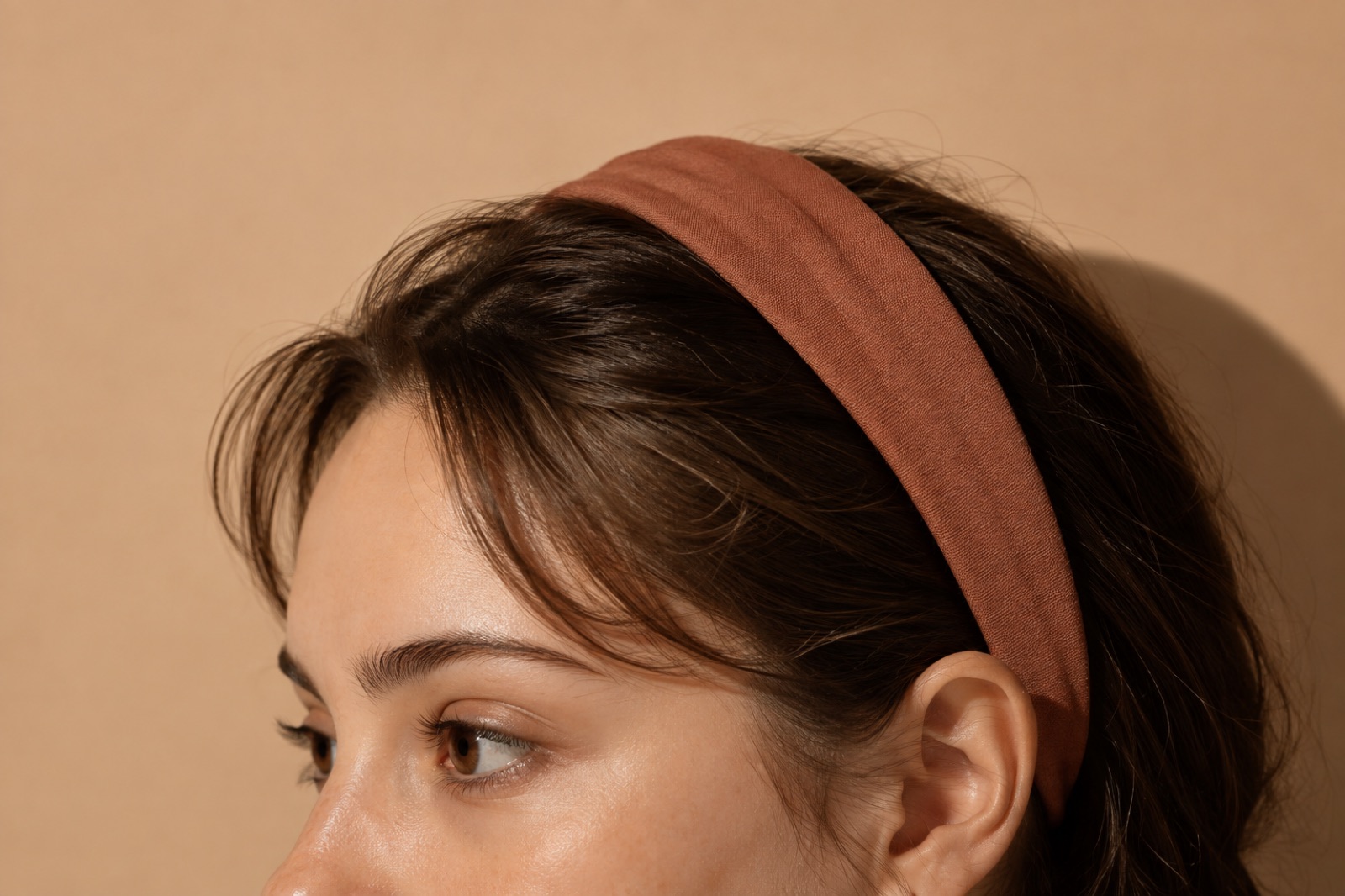
Hair product residue on your bangs, hats, headbands, and pillowcases can reach your skin the same way. The NHS advises washing your hair regularly and keeping it off your face. We go into more detail in forehead acne causes and hairline acne.
Nose and cheeks: separate clogged pores from things that touch your skin
If you have lots of dark dots on your nose, they are more often blackheads (clogged pores) than inflamed acne. The AAD explains that the dark color of a blackhead is not dirt but material in the pore reacting with oxygen, and the NHS says squeezing them can make them worse and leave scars. If your nose, cheeks, forehead, and chin flush easily and feel hot, that overlaps with early rosacea symptoms described by the NHS, so consider that too.
Cheeks are touched often by hands, pillows, and masks, and NIAMS explains that pressure and touching can make acne worse. A meta-analysis of 37 observational studies found that 31% of mask wearers had acne, and the risk rose with longer wear. These were observational studies, so they do not prove cause. For specific areas, see nose acne and cheek acne causes.

Around the mouth and chin: look at hormones and contact together
The area around the mouth and chin is where hormone changes, products, hair removal, and hand contact easily overlap. The AAD names hormone changes around periods, pregnancy, and menopause, and when starting or stopping birth control pills, as a major cause of adult acne. It also notes that hormonal therapy from a doctor may help women whose acne keeps returning on the lower face, jawline, and neck. That does not mean all chin acne is hormonal.
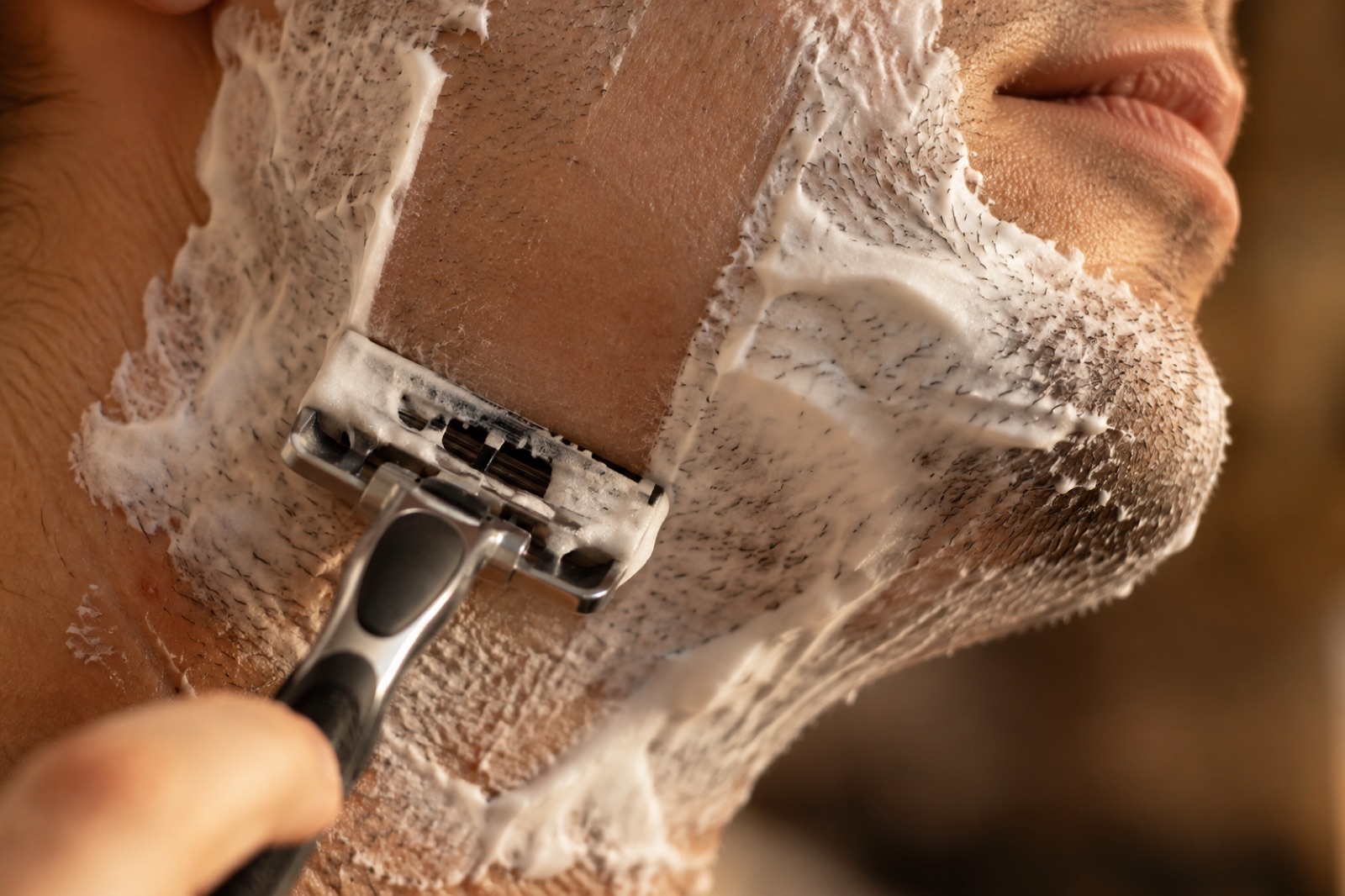
The AAD says breakouts around the lips can come from lipstick or lip balm. Shaving, tweezing, and waxing are common ways hair follicles get damaged, and if each bump has a red ring around it, it may be folliculitis rather than acne. If a small burning rash spreads around the mouth, perioral dermatitis, which the AAD describes as a condition that looks like acne, is another possibility. More details are in jawline acne causes and acne around the mouth.
Back and chest: trapped sweat and repeated friction
Outside the face, the back and chest are common places for acne. In a study of 965 people referred to dermatologists for acne, 92% had acne on the face, 61% on the back, and 45% on the chest (referred patients). The AAD explains that things that rub repeatedly and trap sweat and heat, like helmet straps, bag straps, and tight clothes, can cause friction acne. We cover causes in back acne causes and washing in body wash for back acne.
Acne face map checklist: 7 areas
Pick an area and log the items on the right with dates for 2 to 4 weeks. This can help you spot factors that keep showing up together. Product reactions can appear late, so also note any products you changed in the past 6 months.
| Area | Factors to look at | Check first | Read more |
|---|---|---|---|
| Forehead | Oil from hair products, bangs, hats | Recent hair product changes, whether your bangs touch your forehead | Forehead acne causes |
| Hairline | Shampoo and conditioner residue | Slippery residue after rinsing, how often you wash pillowcases | Hairline acne |
| Nose | Clogged pores (blackheads), redness | Dark dots, or red swollen bumps? | Nose acne |
| Cheeks | Hands, pillows, masks, makeup | Only on one side? Hours of mask wear | Cheek acne causes |
| Around the mouth | Lip products, hair removal, look-alike rashes | Lip balm and hair removal dates, steroid cream use | Acne around the mouth |
| Chin | Hormone changes, hand and mask contact | Menstrual cycle and birth control changes, chin-resting habit | Jawline acne causes |
| Back and chest | Sweat, friction from clothes and bags | How soon you change after exercise, where bag straps sit | Back acne causes |
When to see a dermatologist
- If deep, painful lumps (nodules or cysts) keep coming back. The AAD says this type of acne tends to scar and needs a dermatologist.
- If one approach hasn’t changed anything after 6 to 8 weeks, consider seeing a dermatologist.
- If you notice hair thinning or more facial hair along with acne, you may need a medical check, so talk to a dermatologist or your primary care provider.
- If each bump has a red ring, or a rash around your mouth spread after using a cream, have a dermatologist check whether it is something other than acne.
Frequently asked questions
What does acne location on your face mean?
Location is a clue that helps narrow down causes, not the cause itself. The US National Institute of Arthritis and Musculoskeletal and Skin Diseases (NIAMS) explains acne the same way whether it is on the forehead or the chin: oil and skin cells clog pores. What changes by area is what touches that spot often, such as hair products, hands, masks, or hair removal.
Is acne face mapping real? Does it link to your gut or liver?
In the research papers and health organization materials behind this article, we found no evidence that acne location can tell you about a specific organ. The American Academy of Dermatology (AAD) and the NHS describe clogged pores, hormone changes, products, and friction as possible causes regardless of location.
Can the location of pimples tell you about your health?
There is no evidence that location alone can reveal your health. Look instead at signs that show up together. If you also notice hair thinning or more facial hair along with acne, get checked by a dermatologist or your primary care provider.
Why do I keep getting chin acne in the same spot?
Start with what touches that spot often: resting your chin on your hand, a mask, shaving or hair removal, or your pillowcase. NIAMS explains that pressure and touching can make acne worse, and the AAD advises washing pillowcases and hats that may hold hair product residue.
Is chin acne before your period hormonal?
Hormone changes are worth checking, but chin location alone can't confirm it. Writing down your cycle, changes in birth control, mask or hand contact, and product changes by date helps you find which conditions overlap.
Is the acne face map different for men?
Our sources include no study comparing causes by area between men and women. The AAD does describe shaving, tweezing, and waxing as common ways hair follicles get damaged, and gear that rubs repeatedly, like helmet straps and hats, as a cause of friction acne. If breakouts keep returning on the chin or around the mouth, note your shaving dates too.
Sources
- NIAMS — Overview of AcneInstitutional
- NHS — Acne (reviewed 2026-09-22)Institutional
- NHS 111 Wales — Health A-Z: Acne (updated 2024-11-07)Institutional
- AAD — Hair care products that cause acneInstitutional
- AAD — Is it okay to wear makeup?Institutional
- AAD — Adult acne: Why it happens and what you can do for itInstitutional
- AAD — Stubborn acne: Hormonal therapy may helpInstitutional
- AAD — Sports equipment can cause acneInstitutional
- AAD — FolliculitisInstitutional
- AAD — Is that stubborn acne really acne?Institutional
- NHS — RosaceaInstitutional
- The forehead and glabella show pronounced Cutibacterium relative abundance differences between acne and healthy groups: a regional facial 16S rRNA gene sequencing study (2026, PMID 42529208)B
- Prevalence and severity of facial and truncal acne in a referral cohort (2008, PMID 18561586)B
- Facial dermatoses induced by face masks: A systematic review and meta-analysis of observational studies (2022, PMID 35980367)A
We never use YouTube videos or community posts as evidence for facts. Editorial policy
Product information related to this article
Product information from the site operator (KW Cosmetic, maker of the SKIN9HARI brand).
Revive Therapy N.F Toner
₩29,000 (KRW)
- Mildly acidic toner (pH 5.5–6.5), 150 ml
- Contains niacinamide 2.0% and beta-glucan 1.0%
- Low-irritation formula
- Contains ethanol and fragrance ingredients (orange peel oil, lavender oil); check the full ingredient list
Product details
- Type and size
- Clear, water-light toner, pH 5.5–6.5, 150 mL (5.07 fl oz)
- Step in routine
- Step 2 of 4 · Tone, right after cleansing
- How to use
- After cleansing, pour a small amount onto a cotton pad or your palms. Sweep or press gently over your face and neck. Pat lightly until fully absorbed. Follow with Revive Therapy N.F Ampoule, then N.F Cream.
- Before you use
- Contains ethanol (3.0%) and fragrance, including the allergens linalool and limonene — this is not an alcohol-free formula. If redness, swelling or itching occurs, stop using and consult a dermatologist.
Based on the official product page, checked 2026-10-02
Cosmetics do not diagnose, treat, cure or prevent any disease. Test results apply only to the stated conditions.