Pimples on Back of Neck and Hairline Acne: Hair Products to Blame?
Oil and residue from hair products can play a role in pimples on the back of the neck, but they can also be a hair follicle problem. It's hard to say for sure without checking for a pattern.
In this article7 sections
- If breakouts only keep coming back along your hairline, should you check hair products first?
- Should you look at rinsing habits, not just the shampoo itself?
- Can bangs, hats and pillowcases do the same thing?
- Could it be folliculitis or a scalp problem instead of acne?
- Are hair products behind pimples on the back of your neck?
- 4 hairline checks
- When to see a dermatologist
| Item | What we know | Evidence |
|---|---|---|
| Hair products and breakouts | The American Academy of Dermatology (AAD) says oil in shampoo, conditioner and styling products can cause small breakouts along the hairline, upper forehead and back of the neck, and calls this acne cosmetica | AAD hair product guidance · institution |
| After stopping a product | Once you stop the problem product, breakouts usually fade gradually over 4–6 weeks; if nothing changes after 6 weeks, the AAD advises seeing a dermatologist | AAD hair product guidance · institution |
| Strength of trial evidence | The literature we reviewed includes no grade A trial comparing hair products against a control group for breakouts. A non-comedogenic hair care trial (27 people, 8 weeks) had a single group with no control | Hair product research summary · B |
| Common scalp product problems | In a review of 99 papers (3,185 patients) on scalp contact dermatitis, the products responsible were hair dye 41%, shampoo 28% and conditioner 22% (these are not acne figures) | Hair product research summary · A |
| Look-alike folliculitis | Folliculitis is an acne-like rash in which spots may have a red ring, and it develops after hair follicles are damaged by friction, tight clothing or shaving | AAD folliculitis guidance · institution |
If breakouts only keep coming back along your hairline, should you check hair products first?
If breakouts keep appearing only where your hair and hair products touch your skin, hair products are the first thing to check. The AAD says small breakouts along the hairline, upper forehead and back of the neck can come from shampoo, conditioner and styling products. It explains that when oil in these products reaches the skin and clogs pores, whiteheads and small skin-colored bumps can form, even in people who don’t usually break out.
That said, this is patient guidance. The literature we reviewed includes no grade A trial comparing hair oil, wax or conditioner against a control group to see whether they actually increase forehead or hairline breakouts. There is a trial of 27 people who used non-comedogenic hair care products for 8 weeks, but it had no control group, so it can’t support the conclusion that switching hair products reduces breakouts.
Should you look at rinsing habits, not just the shampoo itself?
Rather than blaming a single shampoo ingredient, it helps to check how long products stay on your face and neck. The AAD lists not only shampoo but also conditioner and styling products as possible causes. So along with which products you use, note whether lather runs down to your forehead, jawline or neck while it sits on your scalp, and whether your hairline feels slick after rinsing. Then see if that matches where your breakouts are.
The AAD suggests you stop using hair products whose labels don’t say oil-free or non-comedogenic (won’t clog pores). Its adult acne guidance also names skin care and hair products without these labels as possible causes. It’s worth checking the skin care that touches your hairline against the same standard.
Can bangs, hats and pillowcases do the same thing?
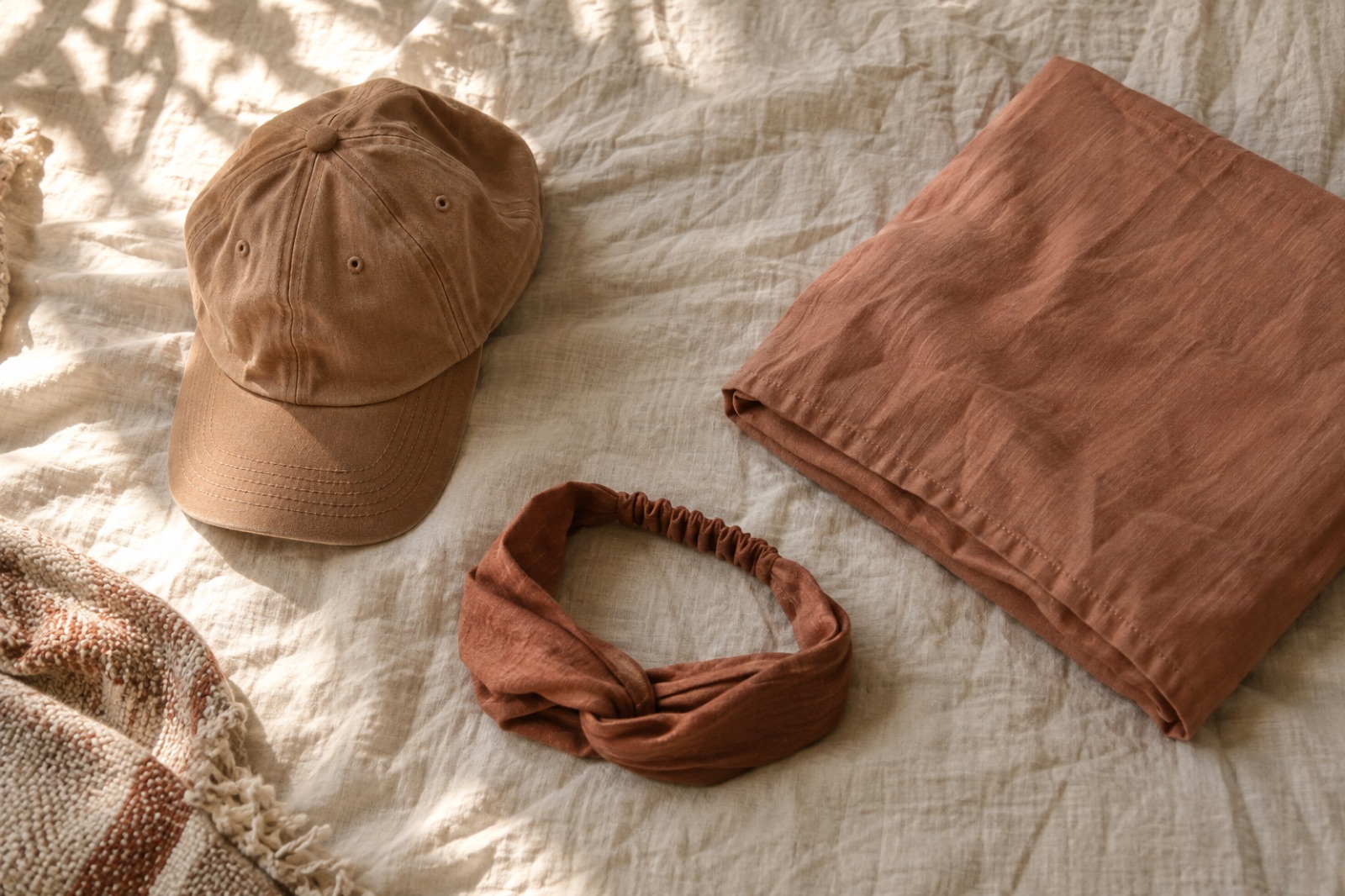
Product residue left on things your hair touches can reach your skin the same way. The AAD advises washing pillowcases, hats and headbands too. The NHS says to wash your hair regularly and keep it off your face. If breakouts on your forehead increased after you started wearing bangs, first track the products you put on your bangs and how often you wash things they touch.
Could it be folliculitis or a scalp problem instead of acne?
Not every small bump along the hairline or back of the neck is acne. The AAD describes folliculitis as an acne-like rash in which spots may have a red ring, and says it can itch or hurt. If it started after shaving or hair removal on the back of the neck, hair follicle damage is a possible cause, and in that case the AAD advises taking a 30-day break from that practice. If the bumps spread or you develop a fever during that break, don’t wait; see a doctor right away.
Scalp products also commonly cause contact dermatitis, which is not acne. In a review of scalp contact dermatitis, the products responsible were hair dye, then shampoo, then conditioner. If you have dandruff, flaking or itching across your whole scalp, or hair loss, it could be seborrheic dermatitis or another scalp condition, so it’s better to have a doctor sort it out than to guess.

Are hair products behind pimples on the back of your neck?
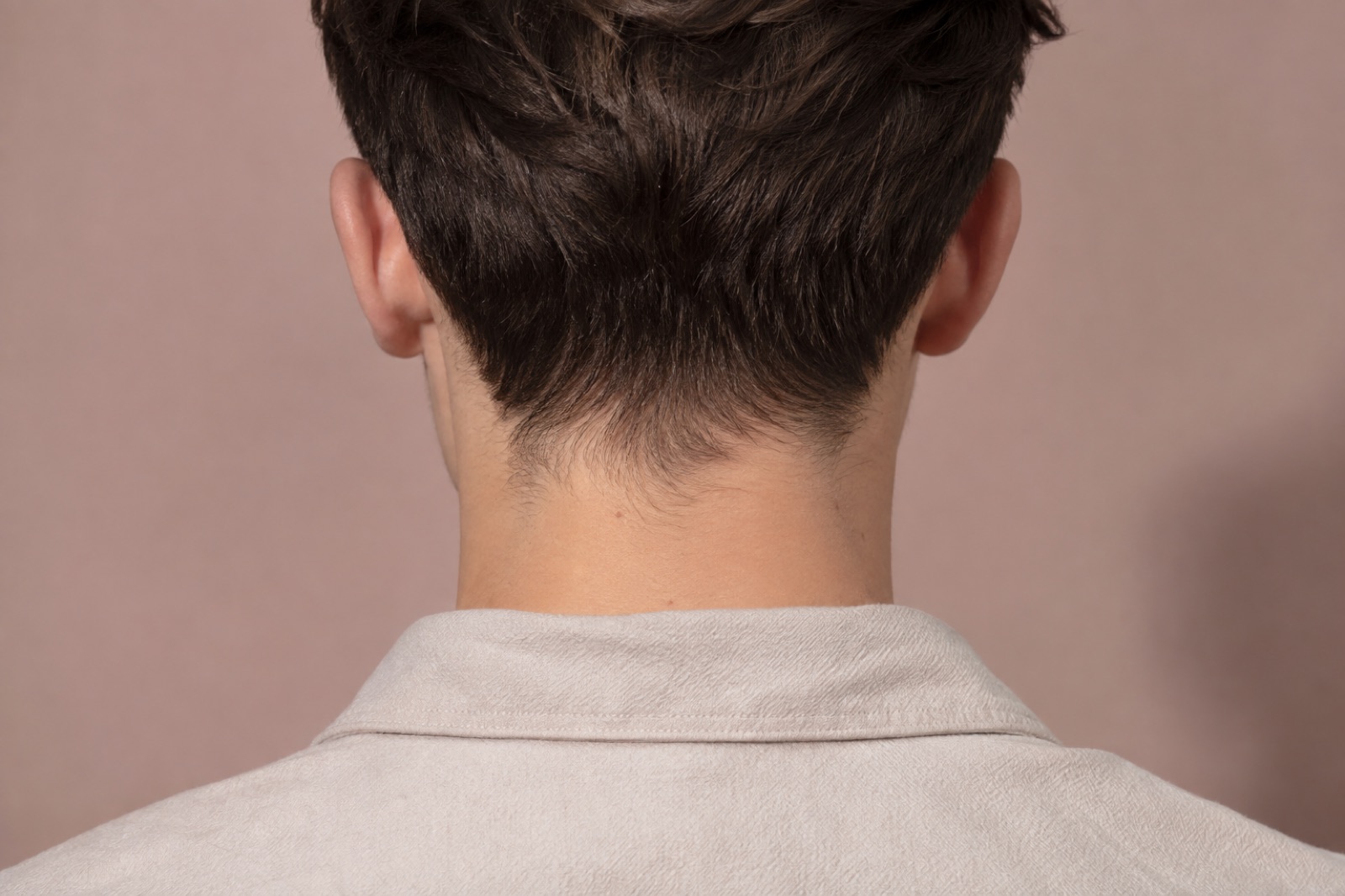
The back of the neck is where hair products run down, but it’s also where shaving, hair removal and pillows make contact, so you need to consider both acne and hair follicle problems. The AAD lists the back of the neck, along with the hairline and upper forehead, as a place where small breakouts from hair products appear. Note where shampoo and conditioner rinse water runs down your neck and where the ends of tied-up hair touch it, then compare those spots with where the breakouts are. This makes it easier to narrow things down.
If spots hurt or fill with pus, and each has a red ring, that’s a sign to suspect a hair follicle problem before acne. If it started after shaving or hair removal on the back of your neck, the AAD suggests a 30-day break from that practice. If breakouts show up on both the back of your neck and your back, also see the sweat and friction checks in our back acne article.
4 hairline checks
| Check | What to look for | What you can try |
|---|---|---|
| 1. Oil in hair products | Do the areas where hair oil, styling wax or hairspray touch match where your breakouts are? | Take a break from products not labeled oil-free or non-comedogenic |
| 2. Shampoo and conditioner rinsing | Does it run down to your forehead or neck while it sits, and does your hairline feel slick after rinsing? | Rinse your hairline and neck once more after rinsing, and note any change in where breakouts appear |
| 3. Things your hair touches | How often you wash your hair and your hats, headbands and pillowcases | Wash hair and these items regularly, and tie your hair back so it doesn’t touch your face |
| 4. Signs of another cause | Red rings, itching, scalp dandruff or flaking, hair loss | If any apply, use the doctor visit guide below |
Change one thing at a time, write down the date, and watch for 4–6 weeks under the same conditions. If you change several products at once, you won’t know which one mattered.
When to see a dermatologist
- If nothing changes 6 weeks after you stop a suspected hair product, consider seeing a dermatologist (AAD advice).
- If each spot has a red ring, or spots hurt, fill with pus and spread, have a dermatologist check for folliculitis.
- If you also have scalp itching, flaking, dandruff or hair loss, see a doctor to rule out a scalp condition.
- If itching and red patches spread after hair dye or a new shampoo, it may be contact dermatitis, so talk to a doctor to find the cause.
Frequently asked questions
What causes acne on the back of the neck?
The American Academy of Dermatology (AAD) says oil in shampoo, conditioner and styling products can cause small breakouts along the hairline and the back of the neck. Residue on things your hair touches, like pillowcases and hats, and hair follicle damage from shaving or hair removal on the back of the neck, are other things to check.
How can I tell hairline acne from folliculitis?
The AAD describes folliculitis as an acne-like rash in which spots may have a red ring around them, and says it can itch or hurt. There is no proven way to tell them apart at home, so if it keeps coming back or spreads, a dermatologist can check it.
Should I see a doctor if a pimple on the back of my neck hurts and fills with pus?
If it hurts, fills with pus and spreads, or each spot has a red ring, it's a good idea to have a dermatologist check for folliculitis. The AAD also advises seeing a dermatologist if nothing changes 6 weeks after you stop using a suspected hair product.
Can pillowcases cause acne on the back of the neck?
No study in our sources looked at pillows themselves as a cause. But the AAD notes that product left in your hair can transfer to things it touches, and advises washing pillowcases, hats and headbands too.
Is there a shampoo made for hairline breakouts?
The literature we reviewed included no comparison trial showing that a specific shampoo reduces hairline breakouts. The AAD and NIAMS both advise choosing hair products labeled oil-free or non-comedogenic, and the NHS also notes that products you use on your skin or hair can make your skin greasy and cause acne.
Sources
- AAD — Hair care products that cause acneInstitutional
- AAD — FolliculitisInstitutional
- AAD — 10 skin care habits that can worsen acneInstitutional
- NHS — Acne (reviewed 2026-09-22)Institutional
- NHS 111 Wales — Health A-Z: Acne (updated 2024-11-07)Institutional
- Efficacy of a Non-Comedogenic Hair Care Regimen for the Reduction of Mild-to-Moderate Truncal and Facial Acne: A Single-Arm 8-Week Study (Rubin IK, 2021, PMID 34076395)B
- Allergic Contact Dermatitis of the Scalp Associated With Scalp Applied Products: A Systematic Review of Topical Allergens (2022, PMID 35318978)A
We never use YouTube videos or community posts as evidence for facts. Editorial policy
Product information related to this article
Product information from the site operator (KW Cosmetic, maker of the SKIN9HARI brand).
Revive Therapy A.C Cleanser
₩19,000 (KRW)
The AAD hair-product guidance and the hair-care and scalp studies cited here did not test this cleanser, and there is no test data on hairline or back-of-neck breakouts for it. Revive Therapy A.C Cleanser is a mildly alkaline 150 ml foam cleanser with salicylic acid, AHA and PHA, and it contains fragrance. Its product page makes it the first step of skincare: wash gently with the lather and rinse with lukewarm water. If you note its start date so it doesn't overlap the 4–6 weeks you're changing a hair product, for the cleansing step the product we suggest is Revive Therapy A.C Cleanser.
- Mildly alkaline foam cleanser, 150 ml
- Contains salicylic acid, AHA and PHA, with an amino acid–based cleansing agent, 4 ceramides and cholesterol; contains fragrance
- Low-irritation formula
Product details
- Type and size
- Creamy foaming cleanser, 150 mL (5.07 fl oz)
- Step in routine
- Step 1 of 4 · Cleanse, first thing in the routine
- How to use
- Wet your face with lukewarm water. Squeeze a cherry-sized amount into your palms and work it into a foam, or use a foaming net for a richer lather. Massage over your face for 30–60 seconds, focusing on the T-zone and other oily areas. Rinse thoroughly with lukewarm water and follow with Revive Therapy N.F Toner.
- Before you use
- Avoid the eye area. Contains fragrance, including the allergens linalool and limonene — check the full ingredient list if you have known fragrance sensitivities. If redness, swelling or itching occurs, stop using and consult a dermatologist.
Based on the official product page, checked 2026-10-02
Cosmetics do not diagnose, treat, cure or prevent any disease. Test results apply only to the stated conditions.