Closed Comedones: What Causes Them and Why They Keep Coming Back
Closed comedones form when oil and dead skin cells block the opening of a pore. When they keep coming back in the same spot, something that repeatedly touches that area is often part of the picture.

In this article7 sections
- What are closed comedones, and what causes them?
- Forehead, chin, or cheeks: why do they keep coming back in the same spot?
- What if closed comedones suddenly spread across your face?
- How can you tell if a product is causing closed comedones?
- Should you pop closed comedones, or will they go away on their own?
- Checklist for closed comedones in the same spot
- When to see a dermatologist
| Topic | What the evidence says | Source |
|---|---|---|
| What they are | When a pore is clogged with excess oil, dead skin cells, and bacteria, it’s a whitehead (closed comedone) if the opening is closed and a blackhead if it is open | AAD types of acne · Institution |
| How pores clog | Oil, dead skin cells that should shed, and hair clump together inside the pore and block it | NIAMS · Institution |
| Product effects | Pore-clogging substances formed comedones even in 1-month occlusive patch tests on human back skin. A positive control substance increased microcomedones by an average of 365.4% | Comedogenicity research summary · B, A |
| Hair products | Oils from hair products that reach the skin and clog pores are said to cause whiteheads and skin-colored bumps | AAD hair products and acne · Institution |
| Menstrual cycle | In 32 women with premenstrual flares, closed comedones rose slightly, from 22.7 to 25.6 (p=0.04) | Comedones research summary · A |
What are closed comedones, and what causes them?
Closed comedones are pores whose opening has been blocked by oil and dead skin cells. “Comedones” is the umbrella term for clogged pores, both whiteheads and blackheads, and they are classified as non-inflamed acne lesions. The American Academy of Dermatology (AAD) explains that when a pore is clogged with excess oil, dead skin cells, and bacteria, it becomes a whitehead if the opening is closed and a blackhead if it is open. The tiny, rough bumps people notice on their forehead or cheeks are usually these whiteheads.
Oil isn’t the only thing that clogs pores. The US National Institute of Arthritis and Musculoskeletal and Skin Diseases (NIAMS) explains that dead skin cells, which would normally rise to the surface and shed, clump together with oil and hair inside the pore and block it. That’s why closed comedones can form even on skin that isn’t very oily, and the literature we reviewed includes several studies where oil levels and breakout counts moved separately.
Things that raise oil production play a part, too. Rising hormones in puberty are the classic example, and adults are affected by hormone changes around periods and pregnancy. In a study of 32 women with premenstrual flares, they had slightly more closed comedones before their period (25.6) than at other times (22.7).
Forehead, chin, or cheeks: why do they keep coming back in the same spot?
If they keep returning in the same spot, first look for a product or habit that touches that area again and again. The AAD says small bumps along the hairline, upper forehead, or back of the neck may come from shampoo, conditioner, or styling products; on the cheeks, chin, or forehead from makeup; and around the lips from lipstick or lip balm. The location alone can’t tell you the cause, but writing down what touches each area narrows the list.
Residue can travel even if a product doesn’t touch the area directly. The AAD advises washing pillowcases, hats, and headbands that pick up hair product residue. If you sleep on the same side every night or wear the same hat, check whether that matches where the bumps keep appearing.
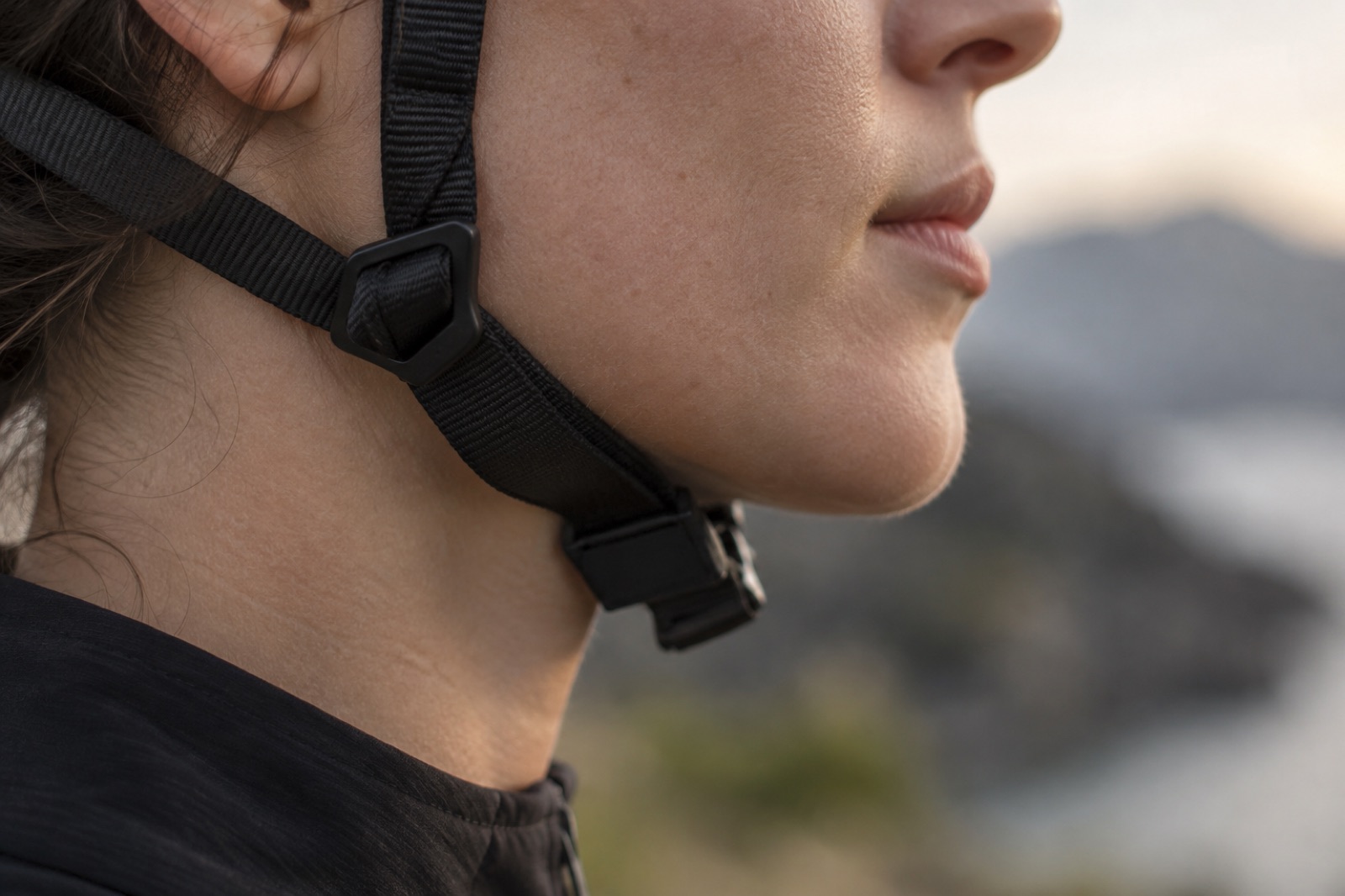
Repeated pressing and rubbing can also keep breakouts coming back in the same spot. NIAMS names pressure from helmets, tight clothing, or backpacks, and squeezing or touching, as things that can make acne worse. See whether the hand you rest your chin on, or spots you touch often, line up with where they keep coming back. If yours cluster on your forehead or chin, see forehead acne causes and chin acne causes for more by area.
What if closed comedones suddenly spread across your face?
If they spread to several areas of your face in a short time, look at what changed in the last few months: products, medicines, and hormones. The AAD says acne cosmetica, acne caused by products such as makeup, can appear even in women who don’t usually get acne, and it can show up anywhere from a few days to 6 months later. So if you only suspect the product you changed yesterday, you might miss the cause.
Medicines and hormone changes are also worth checking. NIAMS explains that some medicines, such as hormonal drugs, corticosteroids, and lithium, can raise the risk of acne, and the AAD names hormone shifts around periods, pregnancy, and starting or stopping birth control as major factors in adult acne. If closed comedones increased after you started a new medicine, don’t stop it on your own. Talk to the doctor who prescribed it.
How can you tell if a product is causing closed comedones?
Whether a product can form comedones can be tested with occlusive patch tests that keep it on human skin for several weeks. In a 1982 study, substances that had clogged pores in a rabbit ear model formed comedones when applied to human back skin for a month. In another test, a positive control substance increased microcomedones by an average of 365.4%.
But it hasn’t been confirmed that an ingredient list can predict closed comedones on your face. Human evidence is limited to a few patch studies on back skin, and a review notes that “noncomedogenic” has no standardized regulatory definition. Use the label as a guide, but also keep notes that compare the date you started a new product with the date your bumps increased.

Should you pop closed comedones, or will they go away on their own?
The basic guidance from health organizations is to leave them alone and give your routine a set amount of time, rather than squeezing them yourself. The AAD explains that picking at whiteheads can lead to more whiteheads and to scars, and the UK’s NHS says the idea that squeezing blackheads and whiteheads is best is a myth that can actually make things worse and cause scarring. Squeezing is also one of 4 factors in a self-assessment tool for acne scar risk (grade A).
Not all extraction is the same, though. The AAD describes comedone extraction, where a dermatologist extracts blackheads and whiteheads with special tools, as an option when other care hasn’t worked. So if your closed comedones are still there after 6 to 8 weeks, asking a dermatologist about extraction or prescription options fits the AAD guidance better than squeezing at home. Whether they go away on their own if you leave them, and how long that takes, can’t be answered with the sources behind this article.

Checklist for closed comedones in the same spot
Write down where they keep appearing, then check what touches that area one by one.
| Where they keep appearing | What touches that area | How to check |
|---|---|---|
| Hairline, upper forehead, back of neck | Shampoo, conditioner, styling products, bangs | Stop the hair product and watch for 4 to 6 weeks (AAD) |
| Cheeks, chin, forehead | Makeup, brushes and puffs, pillowcases | Remove makeup before bed, wash tools once a week |
| Around the lips | Lipstick, lip balm | Note the product name and start date |
| One cheek or one side of the chin | Sleeping side (pillowcase), the hand you rest your chin on | Track habits for 1 to 2 weeks |
| Where helmet or bag straps touch | Pressure and friction | Note how long you wear them and where |
| Only at certain times | Menstrual cycle | Mark your period start dates and breakout dates on one calendar |
| Sudden increase across your face | Products changed in the last 6 months, new medicines | Compare product and medicine start dates with when bumps increased |
When to see a dermatologist
If any of these apply, consider getting medical advice instead of continuing on your own.
- If closed comedones are still there after 6 to 8 weeks of care, as the AAD suggests, consider seeing a dermatologist.
- If they start to turn red, swell, or hurt, see a dermatologist.
- If they look different from closed comedones, such as hard white bumps that won’t come out, it may be a different skin condition, so get it checked.
Frequently asked questions
Are closed comedones whiteheads?
Yes. Closed comedones are what people call whiteheads. The American Academy of Dermatology (AAD) explains that when a pore is clogged with oil, dead skin cells, and bacteria, it becomes a whitehead if the opening is closed and a blackhead if it is open. Comedones are classified as non-inflamed acne lesions.
What causes closed comedones on the forehead?
The location alone can't tell you the cause, but look at what touches that area. The AAD says oils from hair products can reach the hairline and upper forehead, clog pores, and lead to whiteheads and skin-colored bumps. For the cheeks and chin, write down what touches them in the same way, such as makeup or your hands.
Why do I keep getting closed comedones?
The conditions that clog your pores may still be there. Breakouts caused by products can appear anywhere from a few days to 6 months later, and frequent washing or scrubbing can also irritate skin. If nothing changes after 6 to 8 weeks of one approach, the AAD says to consider seeing a dermatologist.
What happens if you don't pop closed comedones?
None of the sources behind this article followed what happens to closed comedones left unsqueezed. The AAD and NHS advise against squeezing whiteheads and blackheads, because it can make them worse or leave scars. If they are still there after 6 to 8 weeks, you can ask a dermatologist about extraction or prescription options.
Can you get closed comedones without oily skin?
Yes. Closed comedones form not only from oil but also from dead skin cells that should shed but build up inside the pore, and several studies found that oil levels and breakout counts didn't always move together.
What should you check first if closed comedones suddenly spread across your face?
Write down products you changed in the last few months, any new medicines, and hormone changes such as your period or birth control. The AAD says breakouts caused by products can appear anywhere from a few days to 6 months later.
Sources
- AAD — Pimple popping: Why only a dermatologist should do itInstitutional
- AAD — Acne: Signs and symptomsInstitutional
- AAD — Adult acneInstitutional
- Development of an atrophic acne scar risk assessment tool (2017, PMID 28499079)A
- AAD — Types of acne breakoutsInstitutional
- AAD — Hair products and acneInstitutional
- AAD — Can your makeup cause acne?Institutional
- NIAMS — Overview of AcneInstitutional
- NHS 111 Wales — Health A-Z: Acne (updated 2024-11-07)Institutional
- A human model for assessing comedogenic substances (1982, PMID 7138047)B
- Safety assessment on comedogenicity of dermatological products containing d-alpha tocopheryl acetate in Asian subjects: A double-blind randomized controlled trial (2021, PMID 34471722)A
- Clinical utility of marketing terms used for over-the-counter dermatologic products (2018, PMID 29671667)A
- Characteristics of premenstrual acne flare-up and benefits of a dermocosmetic treatment: a double-blind randomised trial (2017, PMID 28251894)A
We never use YouTube videos or community posts as evidence for facts. Editorial policy
Product information related to this article
Product information from the site operator (KW Cosmetic, maker of the SKIN9HARI brand).
Revive Therapy N.F Toner
₩29,000 (KRW)
- Mildly acidic toner (pH 5.5–6.5), 150 ml
- Contains niacinamide 2.0% and beta-glucan 1.0%
- Low-irritation formula
- Contains ethanol and fragrance ingredients (orange peel oil, lavender oil); check the full ingredient list
Product details
- Type and size
- Clear, water-light toner, pH 5.5–6.5, 150 mL (5.07 fl oz)
- Step in routine
- Step 2 of 4 · Tone, right after cleansing
- How to use
- After cleansing, pour a small amount onto a cotton pad or your palms. Sweep or press gently over your face and neck. Pat lightly until fully absorbed. Follow with Revive Therapy N.F Ampoule, then N.F Cream.
- Before you use
- Contains ethanol (3.0%) and fragrance, including the allergens linalool and limonene — this is not an alcohol-free formula. If redness, swelling or itching occurs, stop using and consult a dermatologist.
Based on the official product page, checked 2026-10-02
Cosmetics do not diagnose, treat, cure or prevent any disease. Test results apply only to the stated conditions.