Sebaceous Filaments Smell: What Research Says About Nose Sebum
Few studies have looked at why nose sebum smells. Research does show that parts of sebum oxidize. Either way, skip squeezing and start by checking how you wash your face.
In this article4 sections
| Question | Short answer |
|---|---|
| Cause of the smell | None found in our sources; only research showing that parts of sebum oxidize |
| Squeeze to check? | Don’t (NHS, AAD) |
| What to change first | Wash up to twice a day with lukewarm water and a mild cleanser, without scrubbing |
Why does nose sebum smell?
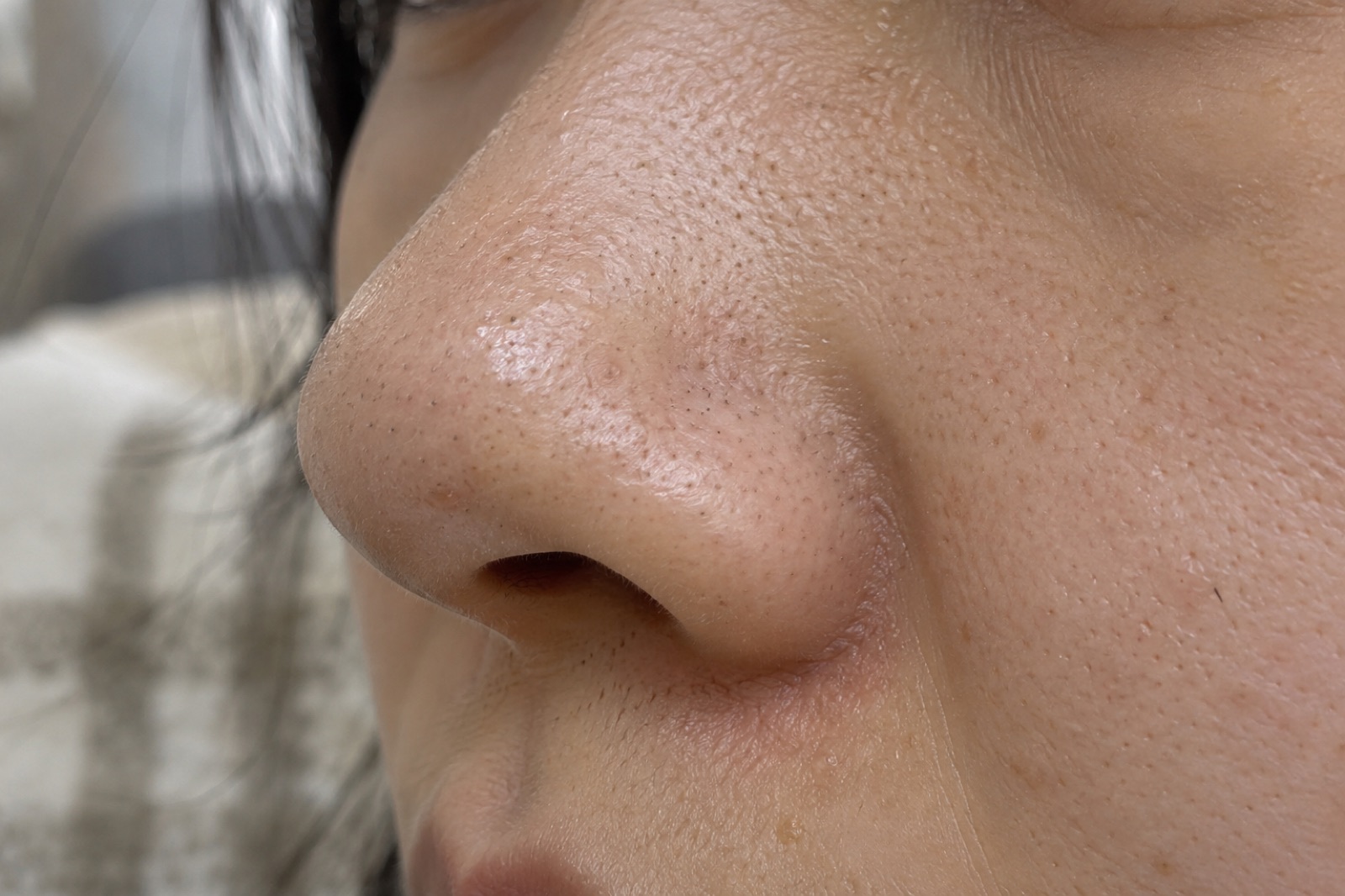
We found no study in the sources behind this article that directly looked at the cause of nose sebum odor (the plugs in nose pores are often called sebaceous filaments). One analysis of human sebum samples found that linoleic acid and squalene oxidize in different ways, and when the facial sebum of 17 healthy adults was exposed to UVA light, squalene oxidation products formed. The AAD also explains that the dark color of a blackhead is not dirt, but material inside the pore reacting with oxygen.
Is it OK to squeeze sebum out to check the smell?
Health organizations agree: don’t squeeze. The NHS says squeezing blackheads can make them worse and leave scars, and the AAD explains that squeezing can push material deeper into the skin and increase inflammation.
How should you check your face-washing routine?
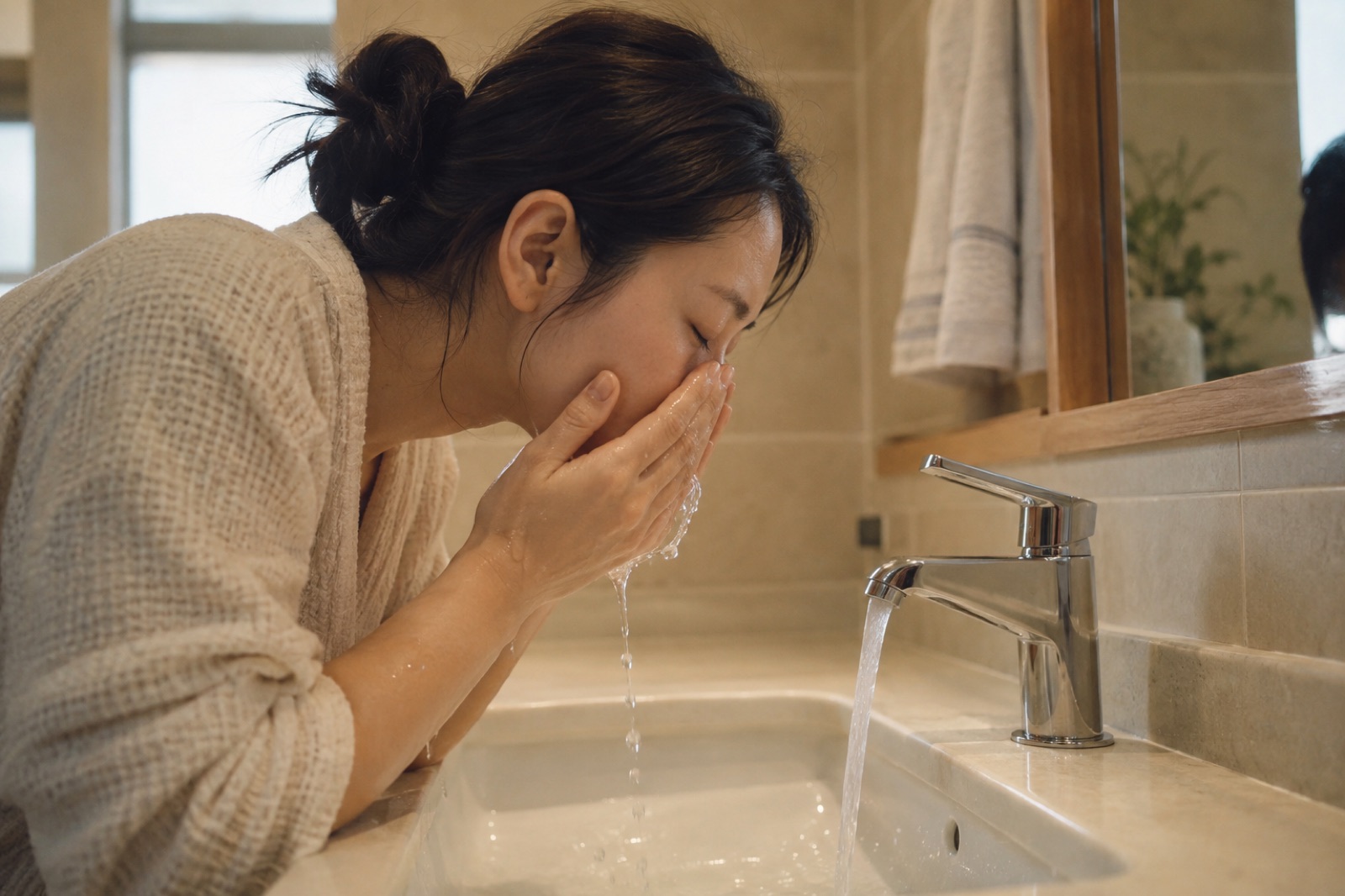
Wash up to twice a day, gently, using your fingertips, lukewarm water, and a mild cleanser. The AAD considers washing too often or scrubbing to be irritating, and specifically advises against scrubbing blackheads.

When to see a dermatologist
If you see pus or oozing along with a smell, if the area swells or hurts, or if lumps keep coming back in the same spot, see a dermatologist.
Frequently asked questions
Why does my nose sebum smell?
We found no study in the sources behind this article that directly looked at the cause of nose sebum odor. However, one analysis found that squalene and linoleic acid in human sebum oxidize, and another study found squalene oxidation products formed in sebum exposed to UVA light. How this relates to smell has not been confirmed.
Is it normal for sebaceous filaments to smell?
There is no evidence that a smell from sebum you squeezed out is a problem by itself. But if you see pus or oozing along with the smell, if the area swells or hurts, or if lumps keep coming back in the same spot, see a dermatologist.
Can I squeeze out nose sebum with a cotton swab or tweezers?
It isn't recommended. The NHS and the American Academy of Dermatology (AAD) advise against squeezing blackheads and whiteheads yourself, explaining that it raises the risk of scarring, inflammation, and infection. The AAD notes that extraction at a dermatologist's office uses sterilized tools and is different from squeezing at home.
Sources
- Linoleic acid and squalene are oxidized by discrete oxidation mechanisms in human sebum (2021, PMID 34060095)B
- Ultraviolet A induces generation of squalene monohydroperoxide isomers in human sebum and skin surface lipids in vitro and in vivo (2003, PMID 12787115)B
- AAD — What's that blemish? (updated 2023-09-12)Institutional
- NHS — Acne (reviewed 2026-09-22)Institutional
- NHS 111 Wales — Health A-Z: Acne (updated 2024-11-07)Institutional
- AAD — 10 skin care habits that can worsen acneInstitutional
We never use YouTube videos or community posts as evidence for facts. Editorial policy
Product information related to this article
Product information from the site operator (KW Cosmetic, maker of the SKIN9HARI brand).
Revive Therapy A.C Cleanser
₩19,000 (KRW)
The sebum oxidation studies cited here analyzed human sebum samples and UV exposure; none of them tested this cleanser, and their link to odor is still unconfirmed. Revive Therapy A.C Cleanser is a 150 ml mildly alkaline foam with salicylic acid, AHA and PHA; it contains fragrance and has been patch-tested for skin irritation, but it has no test data on nose sebum or odor. Its product page puts it at the first step: lather with lukewarm water and rinse without scrubbing. For the gentle, no-squeeze face wash this article checks first, the product we suggest is Revive Therapy A.C Cleanser.
- Mildly alkaline foam cleanser, 150 ml
- Contains salicylic acid, AHA and PHA, with an amino acid–based cleansing agent, 4 ceramides and cholesterol; contains fragrance
- Low-irritation formula
Product details
- Type and size
- Creamy foaming cleanser, 150 mL (5.07 fl oz)
- Step in routine
- Step 1 of 4 · Cleanse, first thing in the routine
- How to use
- Wet your face with lukewarm water. Squeeze a cherry-sized amount into your palms and work it into a foam, or use a foaming net for a richer lather. Massage over your face for 30–60 seconds, focusing on the T-zone and other oily areas. Rinse thoroughly with lukewarm water and follow with Revive Therapy N.F Toner.
- Before you use
- Avoid the eye area. Contains fragrance, including the allergens linalool and limonene — check the full ingredient list if you have known fragrance sensitivities. If redness, swelling or itching occurs, stop using and consult a dermatologist.
Based on the official product page, checked 2026-10-02
Cosmetics do not diagnose, treat, cure or prevent any disease. Test results apply only to the stated conditions.