Types of Moisturizers: Hydrating, Barrier and Soothing Creams Compared
No study has compared hydrating creams, barrier creams and soothing creams by those names. Looking at the ingredients and texture tells you more than the label on the front of the jar.
In this article6 sections
| Item | What we know | Evidence |
|---|---|---|
| What happens when you apply it | Studies repeatedly find that applying moisturizer raises stratum corneum hydration readings (mostly on arms and legs, over hours to weeks) | Moisturizer research summary · A |
| Lasting 24 hours | Of 5 moisturizers, only the 2 high-glycerin products still showed higher hydration at 24 hours | 2017 PMID 28877115 · A |
| Pricey creams vs petrolatum | In 39 pediatric patients, 2 prescription barrier creams and a petrolatum-based moisturizer showed no difference in effect | 2011 PMID 21533301 · A |
| Which is better | A Cochrane meta-analysis found no evidence that any one moisturizer beats another | 2017 PMID 28166390 · A |
| Acne-prone skin | The AAD advises an oil-free, non-comedogenic moisturizer applied while skin is still damp after washing | AAD moisturizer guidance · institution |
Moisturizer, hydrating cream, barrier cream: what’s the difference?
These three names are not categories used in research, so it’s more accurate to sort creams by what their ingredients do. Research separates humectants such as glycerin, hyaluronic acid and urea, which draw in water, from occlusives such as petrolatum, which cover the surface to slow water loss. In a review of 33 studies in people aged 50 and over, moisturizers with humectants consistently reduced dryness, and barrier products with occlusives reduced skin damage.
A hydrating cream usually means a lighter texture with more humectants, and a barrier cream usually means a formula with more lipids such as ceramides or occlusive ingredients. In a review of 48 studies, urea and glycerin had the strongest evidence. A product with 1% hyaluronic acid, 5% glycerin and centella kept hydration higher than the untreated area at 24 hours after one application (57 vs 47), but in another trial comparing 5 products, only 2 stayed higher through 24 hours.
Are more expensive barrier creams better?
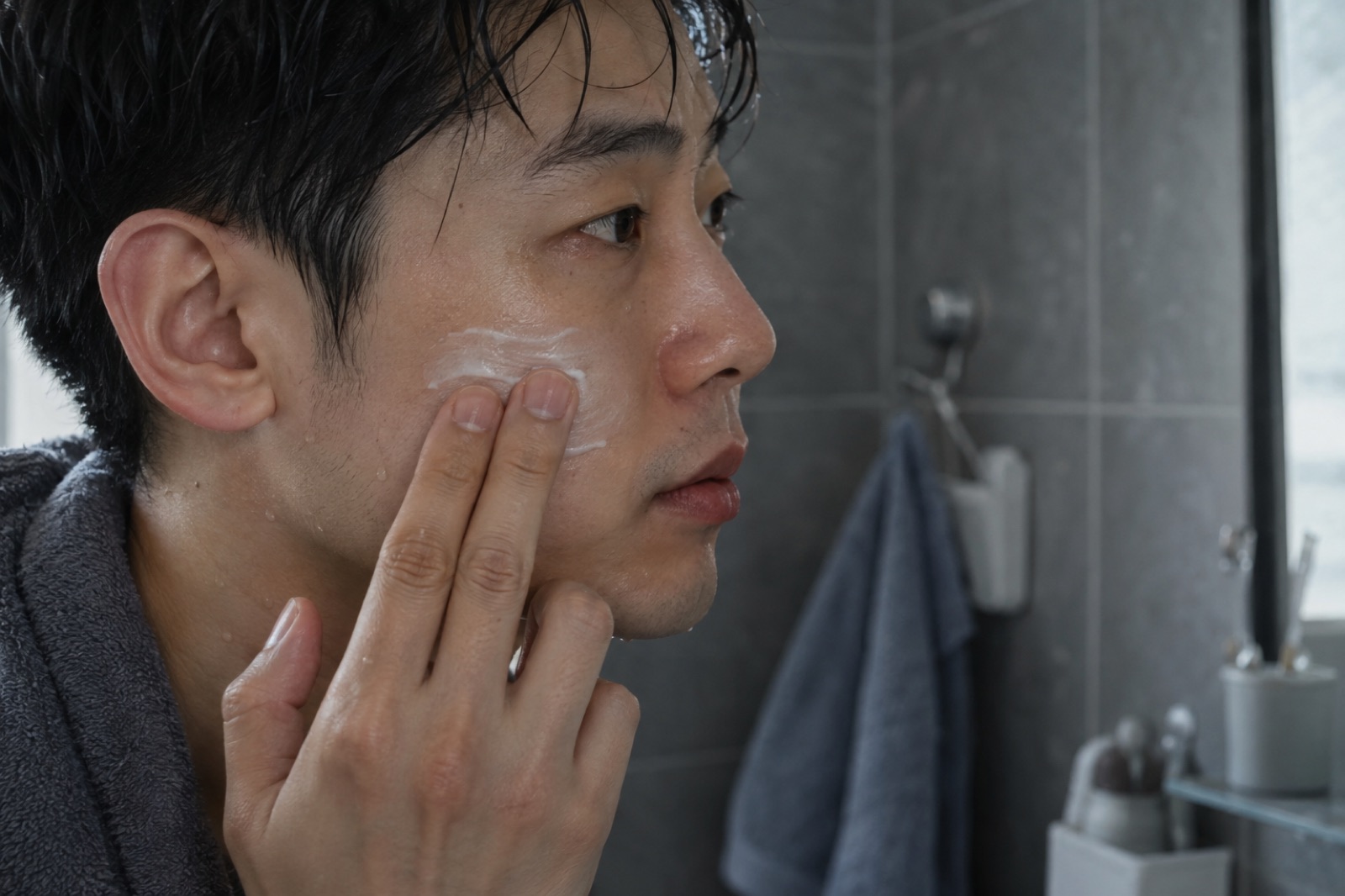
The sources for this article have no evidence that pricey lipid or barrier creams beat petrolatum-based products. In a comparison of 39 pediatric patients, 2 prescription barrier creams and a petrolatum-based moisturizer showed no difference in effect, and the petrolatum product was at least 47 times more cost-effective. A Cochrane meta-analysis also found no evidence that one moisturizer is better than another.
Results for ceramide creams are mixed too. In 34 adults with a tendency toward dry skin, redness in response to an irritant was lower after 4 weeks than with a paraffin cream, but in a meta-analysis pooling several studies, the difference in water loss (TEWL) was not statistically significant (P=0.17). For more by ingredient, see ceramide cream and breakouts.
Have soothing creams been shown to calm skin?
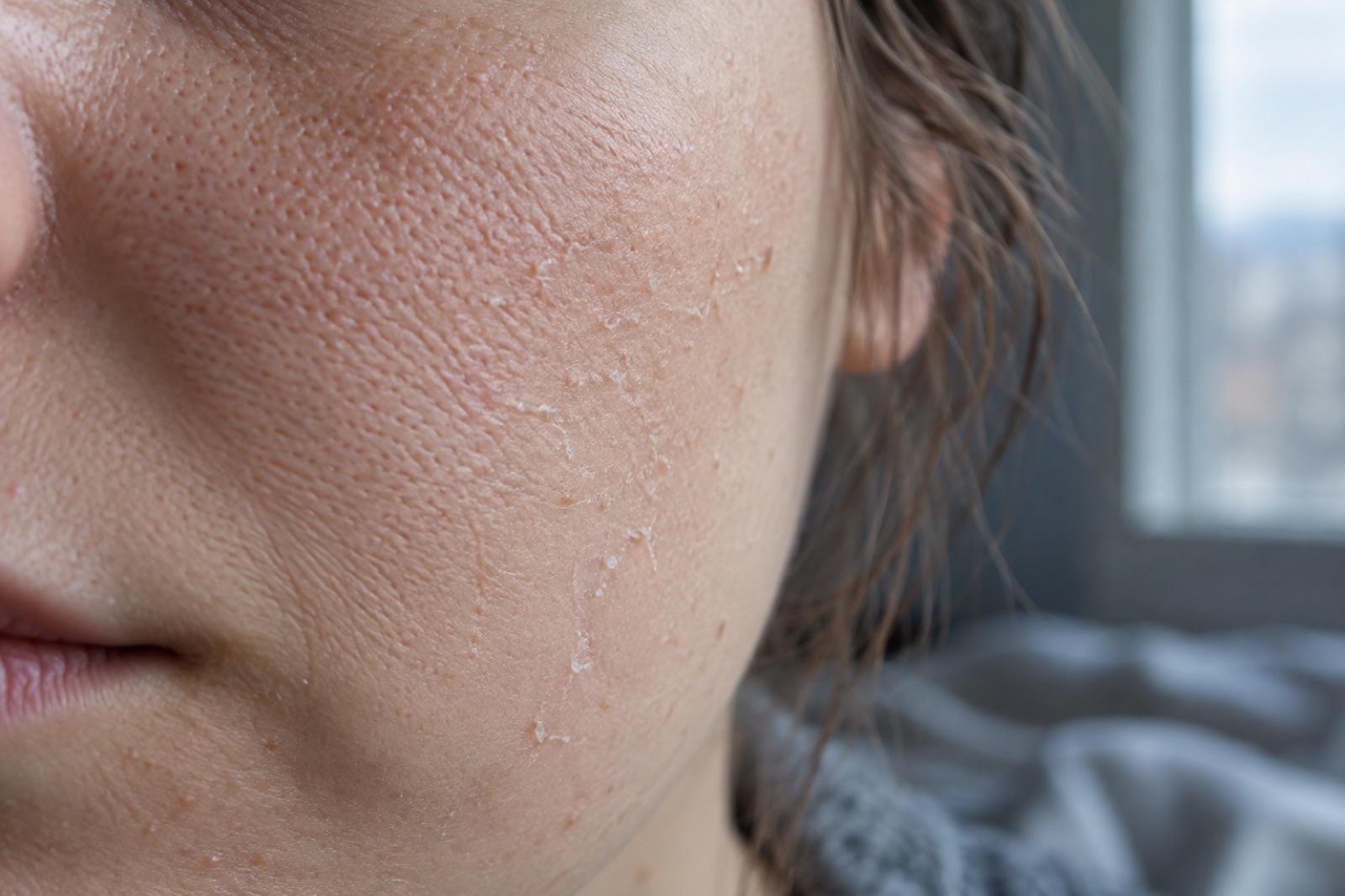
The centella and panthenol that soothing creams highlight have mostly been studied through hydration and barrier readings in irritated skin or skin after a procedure, and most studies used multi-ingredient products. In skin irritated on purpose, a dexpanthenol cream raised hydration more and lowered redness more than the base cream without it. Studies comparing centella alone against placebo over a long period in healthy people are rare. We compare these ingredients in cica vs panthenol and other soothing ingredients.
Moisturizer types at a glance
| Hydrating cream | Barrier cream (moisturizing cream) | Soothing cream | |
|---|---|---|---|
| Ingredients usually highlighted | Humectants such as glycerin and hyaluronic acid | Lipids and occlusives such as ceramides, fatty acids and petrolatum | Ingredients chosen for a calming feel, such as centella and panthenol |
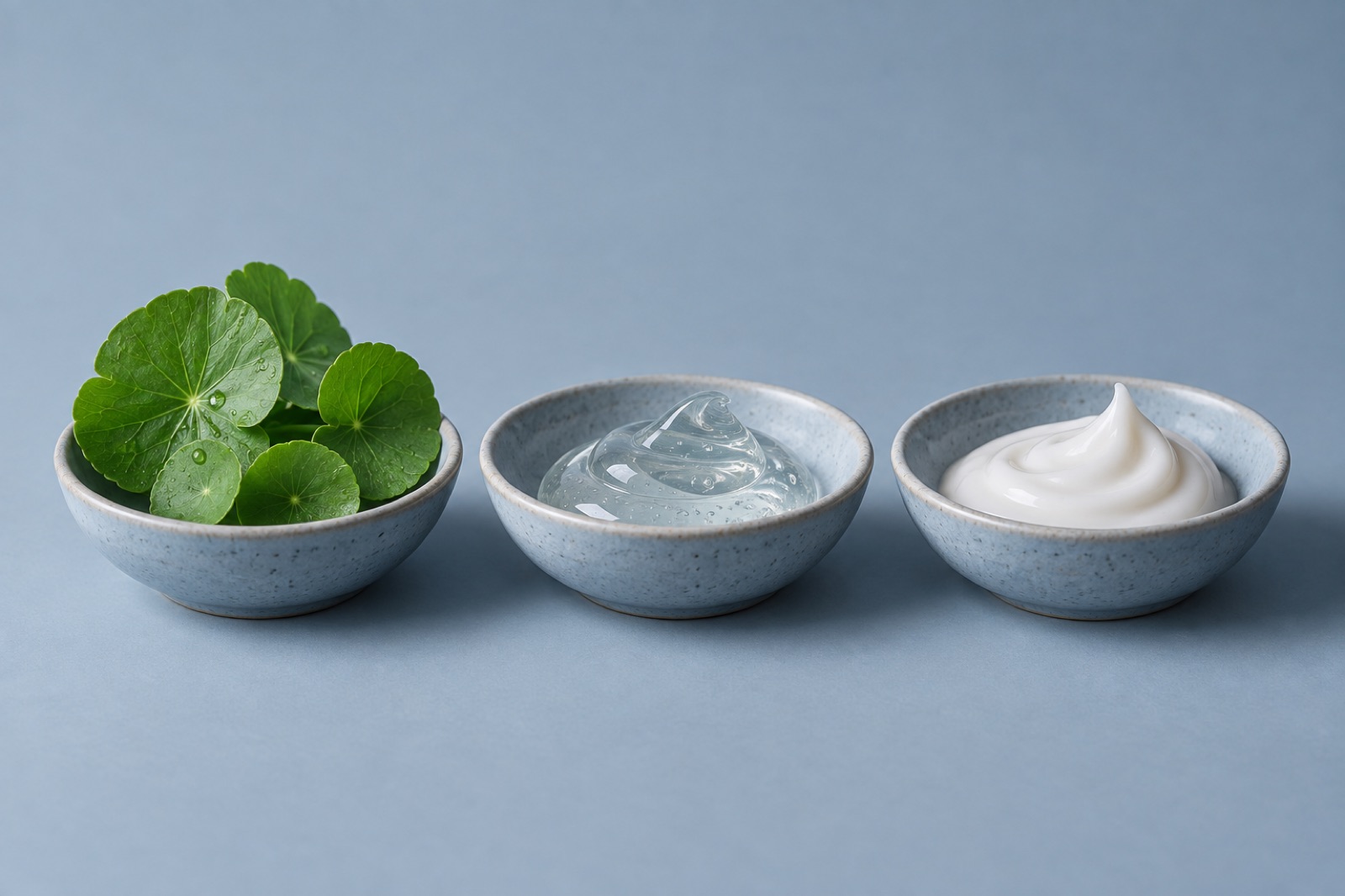
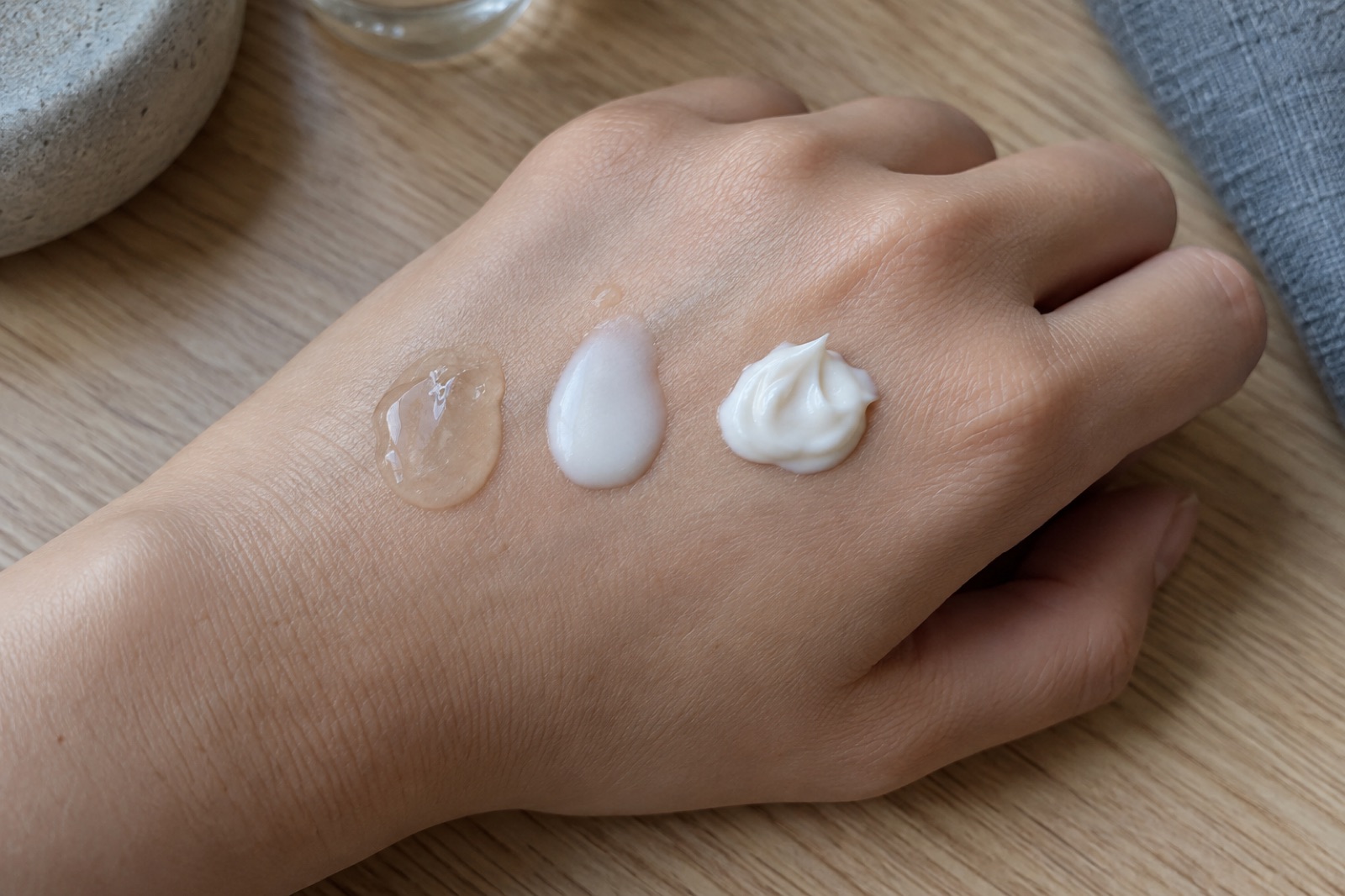
| Texture | Often gel or light cream | Heavier, like a cream or balm | Anything from gel cream to cream |
| Results seen fairly consistently | Hydration readings rise after applying (strong evidence for humectants) | Products with occlusives reduced skin damage | Better hydration and barrier readings in irritated or post-procedure skin (multi-ingredient products) |
| Not confirmed | Whether it lasts 24 hours varies by product | No evidence that pricey products beat petrolatum | Not enough evidence that they reduce redness or stinging more than placebo |
| What breakout-prone skin should check | Oil-free, non-comedogenic label | Whether it’s oil-based, and how heavy it feels | Watch for new irritation, since more ingredients mean more chances of one |
Before you search for a moisturizer: what breakout-prone skin should check
If you have breakout-prone skin, check for an oil-free or non-comedogenic label, and whether you are using any acne medicine, before looking at product names. In 40 Asian adults using acne medicine, a moisturizer with ceramides and panthenol raised hydration more and reduced dryness more than their usual moisturizer. But no study has compared whether the non-comedogenic label actually keeps breakouts away, or whether gel, lotion or cream works better.
Some studies found results differ by formula when people with normal skin use a product for a long time. In a trial of 78 people over 7 weeks, some creams and a lipid-free gel increased water loss and irritation response, while a 5% urea cream decreased them. The NHS advises a fragrance-free, water-based moisturizer if your skin gets dry. We cover the moisturizing routine for breakout-prone skin in moisturizing acne-prone skin.
When to see a dermatologist
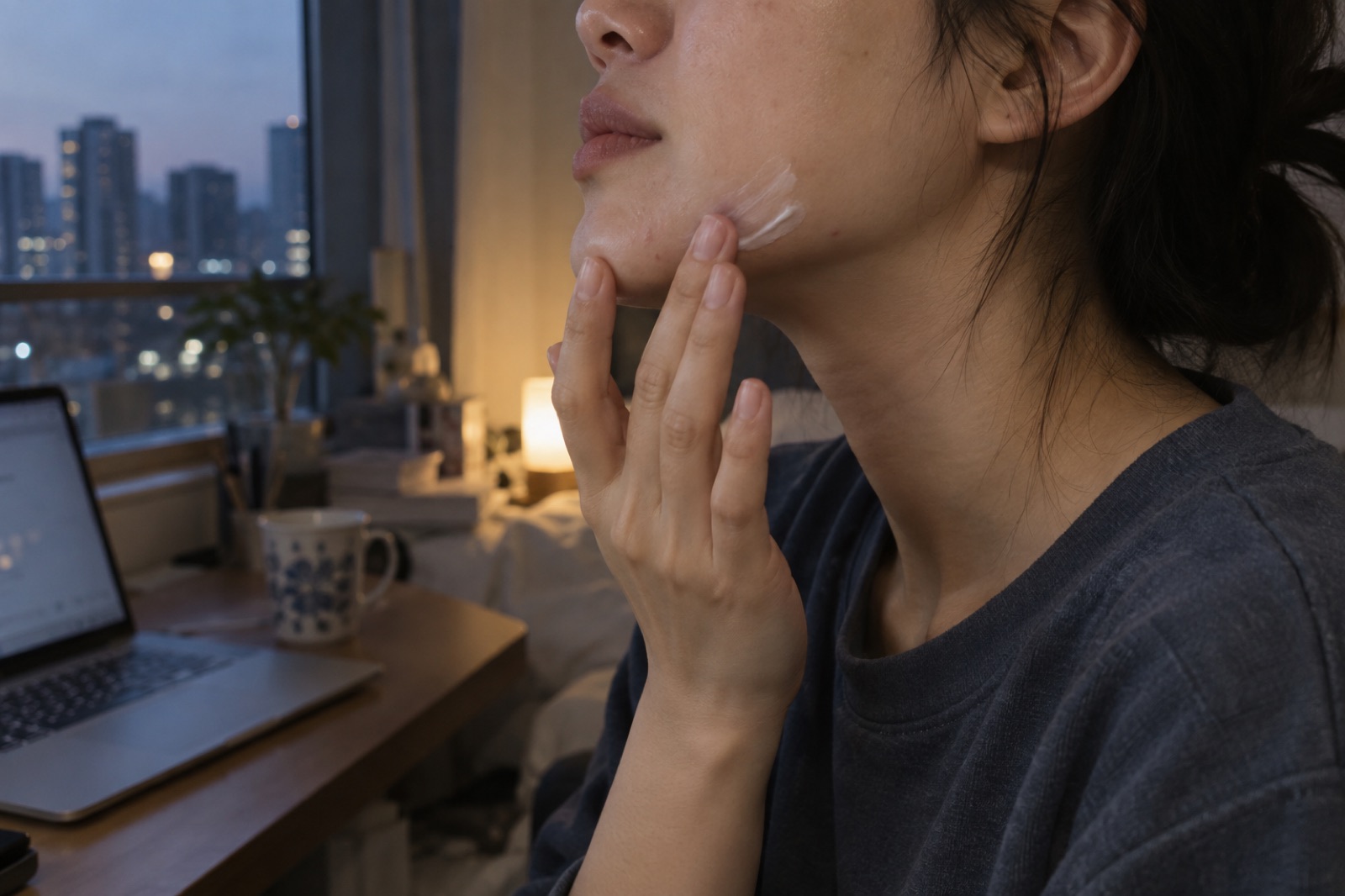
- If redness, itching or swelling spreads after you apply a moisturizer, or lasts for days after you stop, consider seeing a dermatologist.
- If your skin cracks, oozes, or itches enough to disturb your sleep even with regular moisturizing, see a dermatologist.
- If dryness and stinging from acne medicine make it hard to keep using it, talk to the doctor who prescribed it.
Frequently asked questions
What does soothing cream mean?
Soothing means calming. The term usually describes creams that highlight ingredients such as centella or panthenol. Research on these ingredients mostly measured hydration and barrier readings in irritated skin or skin after a procedure, and most used multi-ingredient products, so the evidence fits them better as moisturizing and barrier-care products.
Soothing cream vs moisturizer: what's the difference?
No study has compared their effects by these names. Hydrating creams often highlight humectants such as glycerin and hyaluronic acid, while soothing creams highlight ingredients chosen for a calming feel, so check the first few ingredients on the list.
What are the different types of moisturizers?
Research sorts them by what the ingredients do. In a review of 33 studies in people aged 50 and over, moisturizers with humectants consistently reduced dryness, and barrier products with occlusives reduced skin damage (low certainty evidence). Several comparisons also found no difference between petrolatum-based products and pricey lipid or barrier creams.
When should you apply a soothing cream in your routine?
No study in our sources compared application order. The AAD advises applying moisturizer while skin is still slightly damp after washing, and a 13-person trial found that massaging after applying added no extra benefit, so spreading it evenly once is a reasonable choice over rubbing in layer after layer.
Should you moisturize if you have acne?
The AAD advises using an oil-free, non-comedogenic moisturizer every day when acne medicine dries your skin. Several small studies found less dryness and water loss when moisturizer was used with acne medicine, but evidence that moisturizer alone reduces breakouts is limited to one proof-of-concept study that compared it with a group using no moisturizer.
Sources
- Emollients and moisturisers for eczema (2017, PMID 28166390)A
- Clinical Effectiveness of Moisturizers in Atopic Dermatitis and Related Disorders: A Systematic Review (2015, PMID 26267423)A
- Maintaining skin integrity in the aged: a systematic review (2013, PMID 23773110)A
- Quantitation of 24-Hour Moisturization by Electrical Measurements of Skin Hydration (2017, PMID 28877115)A
- The 24-hour skin hydration and barrier function effects of a hyaluronic 1%, glycerin 5%, and Centella asiatica stem cells extract moisturizing fluid: an intra-subject, randomized, assessor-blinded study (2017, PMID 28860834)A
- An over-the-counter moisturizer is as clinically effective as, and more cost-effective than, prescription barrier creams in the treatment of children with mild-to-moderate atopic dermatitis: a randomized, controlled trial (2011, PMID 21533301)A
- Changes in skin barrier function following long-term treatment with moisturizers, a randomized controlled trial (2007, PMID 17300239)A
- The Efficacy of Moisturisers Containing Ceramide Compared with Other Moisturisers in the Management of Atopic Dermatitis: A Systematic Literature Review and Meta-Analysis (2023, PMID 37151263)A
- Enhancement of stratum corneum lipid structure improves skin barrier function and protects against irritation in adults with dry, eczema-prone skin (2022, PMID 34921679)A
- Dexpanthenol enhances skin barrier repair and reduces inflammation after sodium lauryl sulphate-induced irritation (2002, PMID 19753737)A
- The efficacy of a bioactive moisturizer in mitigating side effects of acne therapies: a randomized, investigator-blind, split-face trial (2026, PMID 41891349)A
- Cosmetic benefits of a novel biomimetic lamellar formulation containing niacinamide in healthy females with oily, blemish-prone skin in a randomized proof-of-concept study (2020, PMID 31461548)A
- Does massage postapplication improve moisturizer's efficacy? A 2-week regression study (2012, PMID 22938011)
- AAD — Moisturizer: Why you may need itInstitutional
- NHS 111 Wales — Health A-Z: Acne (updated 2024-11-07)Institutional
We never use YouTube videos or community posts as evidence for facts. Editorial policy
Product information related to this article
Product information from the site operator (KW Cosmetic, maker of the SKIN9HARI brand).
Revive Therapy N.F Cream
₩28,000 (KRW)
- Cream with 4 ceramides (NP, NS, EOP, AP), 5 types of hyaluronic acid and D-panthenol, 50 ml
- No added fragrance
- Low-irritation formula
Product details
- Type and size
- Soft, cushiony cream, 50 mL (1.69 fl oz)
- Step in routine
- Step 4 of 4 · Moisturize, the last step
- How to use
- As the last step of your routine, squeeze out a small amount. Warm it slightly between your palms. Press gently over your face, working outward from the center. Use morning and night after your ampoule or serum step.
- Before you use
- Contains dimethicone (silicone) — this is not a silicone-free formula. If redness, swelling or itching occurs, stop using and consult a dermatologist.
Based on the official product page, checked 2026-10-02
Cosmetics do not diagnose, treat, cure or prevent any disease. Test results apply only to the stated conditions.