Cleansing Oil for Acne-Prone Skin: How to Use It, vs Balm and Milk
Use cleansing oil to take off heavy makeup or waterproof sunscreen, then check whether residue is left after rinsing and whether tiny bumps increase over the following weeks.
In this article7 sections
- How to use cleansing oil: when do you need it?
- What should you use as a first cleanser when double cleansing?
- Is cleansing oil bad for acne?
- Can cleansing oil dissolve blackheads?
- Can you use cleansing oil every day, or switch to balm, milk, or water?
- First cleanser comparison: oil vs balm vs milk vs water
- When to see a dermatologist
| Topic | What we know | Source |
|---|---|---|
| Studies comparing formulas | The grade-A evidence we reviewed has no study comparing makeup removal methods, such as double cleansing, cleansing oil, or cleansing water, on acne-prone skin | Face washing research summary · evidence gap |
| Waterproof sunscreen | In a trial of 20 adults, the amount left after washing was 59.3% with water, 36.8% with cleanser, and 5.8% with cleansing oil | Face washing · B |
| Makeup removal | The AAD recommends removing all makeup, including eye makeup, with an oil-free makeup remover before bed | AAD makeup advice · Institution |
| “Non-comedogenic” label | A literature review notes the label is not regulated and its clinical usefulness varies | Comedogenicity · A |
| Delayed reactions | The AAD says cosmetic-related breakouts can appear anywhere from a few days to 6 months later | AAD makeup advice · Institution |
| Washing conditions | A detergent solution at 40°C increased water loss more than at 20°C, and repeated washing increased water loss | Surfactants · A / B |
How to use cleansing oil: when do you need it?
Cleansing oil made the clearest difference when removing waterproof sunscreen, which water doesn’t wash off well. In a trial where 20 adults applied sunscreen and washed it off three ways (grade B), the amount of waterproof sunscreen left was 59.3% with water, 36.8% with cleanser, and 5.8% with cleansing oil. With non-waterproof sunscreen, cleanser left 15.6% and cleansing oil 13.4%, so there was little difference between them.
In the same trial, 8 people in the cleanser group and 1 in the cleansing oil group reported dryness after washing. But with only 20 people and a limited range of sunscreens, it is hard to apply these results to makeup in general or to acne-prone skin. On bare-skin days or days with only regular sunscreen, the case for needing cleansing oil is weak.
For how to use it, the evidence points toward rubbing less. In a trial where 35 women with mild atopic facial skin switched for 4 weeks to a cleansing oil designed to reduce rubbing (grade B, no control group), dryness, flaking, and redness went down. Those are results for atopic skin and can’t be applied directly, but spreading the oil lightly with your fingertips and rinsing well with lukewarm water also fits the AAD’s advice not to scrub. No study has compared whether emulsifying, the step where you add a little water to turn the oil milky, changes the amount left or breakouts, so use whether your skin feels slippery after rinsing as your guide.
What should you use as a first cleanser when double cleansing?
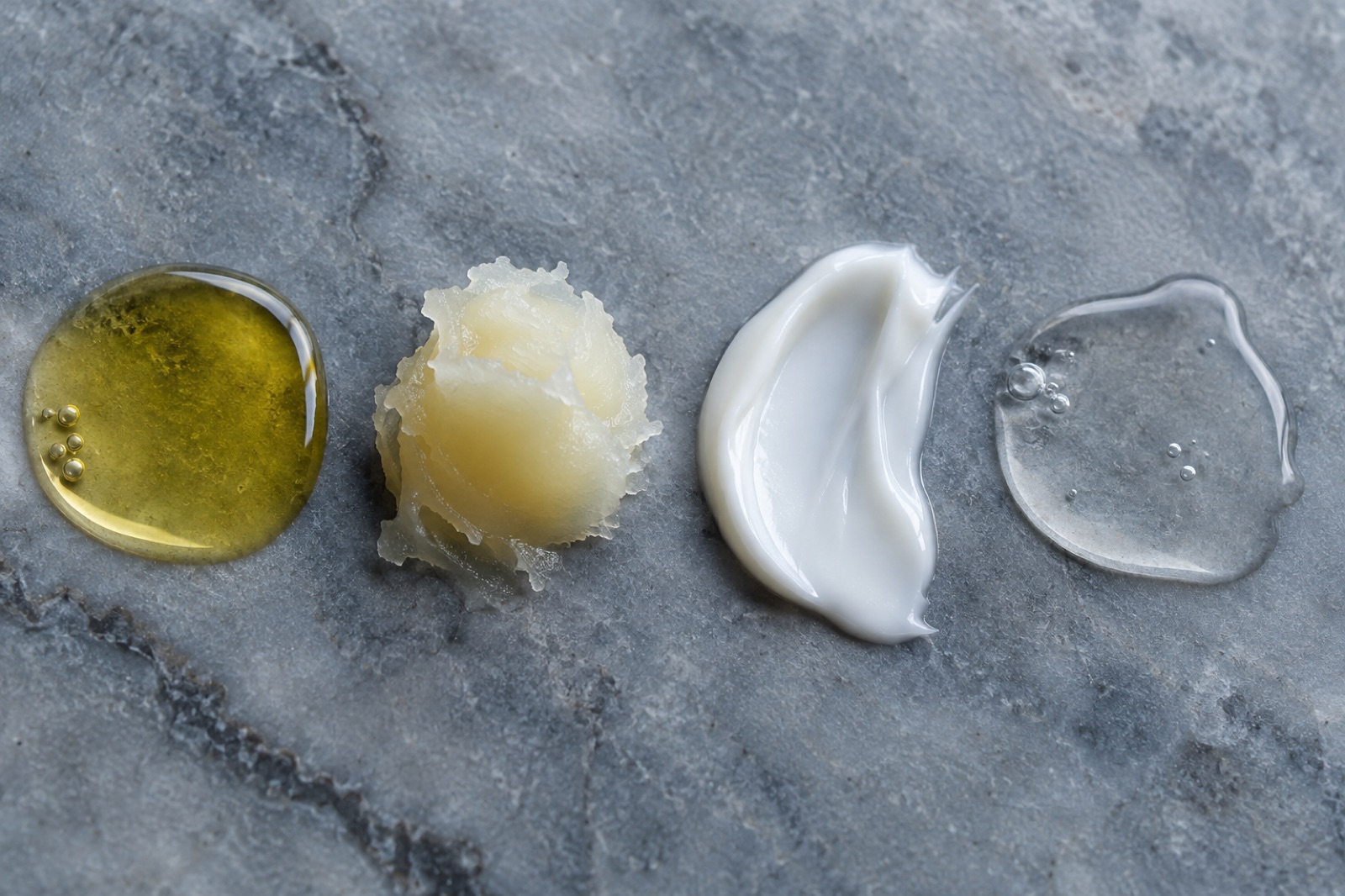
Choose your first cleanser by how much makeup and sunscreen you wore that day, not by the formula’s name. No study has yet compared oil, balm, milk, and water to see which is better for acne-prone skin. So narrow it down by combining health organizations’ advice with how your skin feels after rinsing.
The American Academy of Dermatology (AAD) recommends removing all makeup, including eye makeup, with an oil-free makeup remover before bed. Oils and balms are, as their names say, oil-based, so following this advice to the letter puts water or gel types labeled oil-free first in line. But no study has directly compared breakouts between oil cleansers and other formulas.
Is cleansing oil bad for acne?
There is no evidence that cleansing oil causes breakouts, but if tiny bumps increase after you start using it, it makes sense to list it as a possible cause. Health organizations advise people with acne-prone skin to avoid oil-based and comedogenic products, and this advice is mainly about moisturizers, sunscreen, and makeup. How far the same standard should apply to products you rinse off has not been worked out in research.
A “non-comedogenic cleansing oil” label is not a guarantee either. A literature review notes that the label is not an official standard managed by regulators. And because cosmetic-related breakouts can show up anywhere from a few days to 6 months later, writing down when you switched products helps you find the cause.
Can cleansing oil dissolve blackheads?
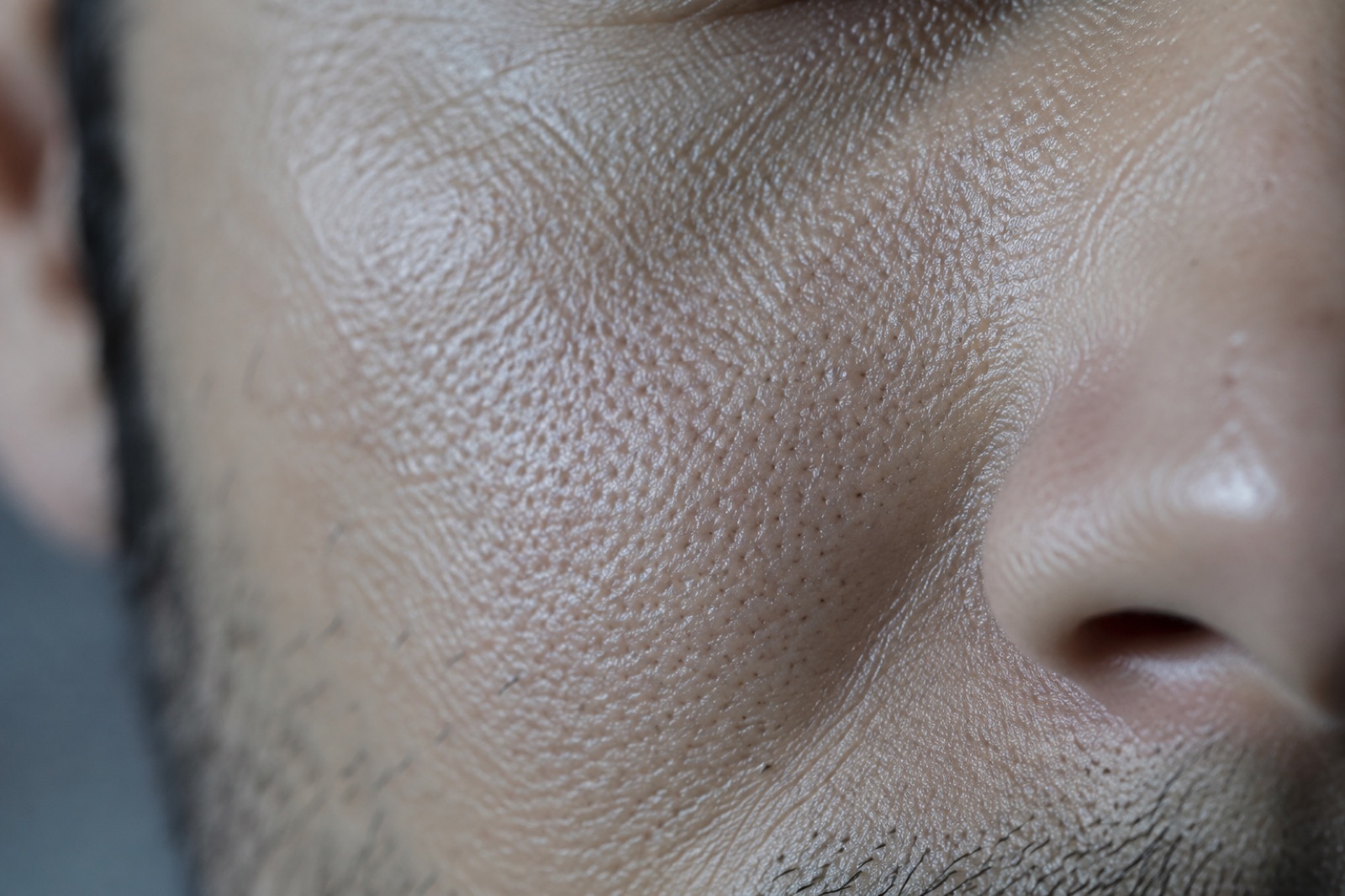
The literature we reviewed has no study confirming that cleansing oil dissolves blackheads. The AAD explains that the dark dot of a blackhead is not dirt but pore contents that changed color when exposed to air. So the idea of rubbing longer to melt them out has little evidence behind it.
What to watch for instead is rubbing for too long. The AAD says habits like rubbing or scrubbing the skin can make acne worse, and that squeezing blackheads carries a risk of infection and scars. If blackheads stay for a long time, it is better to rethink your whole skincare routine, not just your cleanser, and we cover the causes in blackheads and whiteheads causes.
Can you use cleansing oil every day, or switch to balm, milk, or water?
No study has compared using cleansing balm or oil every day with using it only when needed, so using it mainly on makeup days is a safe choice. Many health organizations agree on washing no more than twice a day. Because first and second cleanses add up to more washing steps, you can skip the first cleanser on bare-skin days.
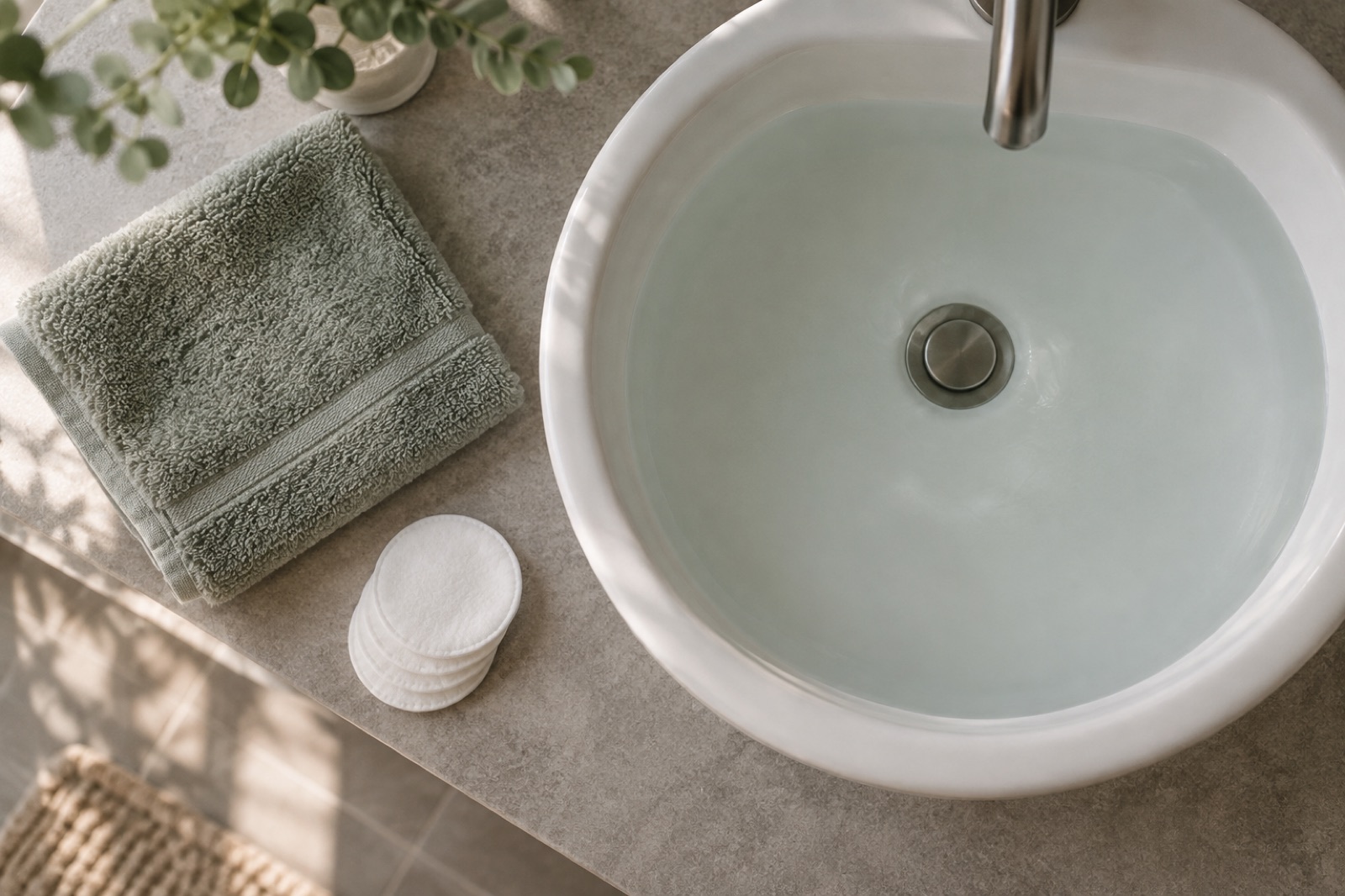
Pay attention to washing conditions, too. A detergent solution at 40°C increased water loss more than at 20°C, and repeated washing increased water loss and lowered moisture in the outer skin layer. Rinsing with lukewarm water instead of hot water and not rubbing for long are ways to reduce the strain.
On light-makeup days, switching to milk or water is fine. What matters is whether it removes makeup in one go so you don’t have to rub again and again. If you have to wipe several times with a cotton pad, that formula is actually adding friction. Milks vary in oil content from product to product, so you can’t assume they are oil-free; check the label. Water types can also differ in how irritating they are, depending on the type of surfactant.
First cleanser comparison: oil vs balm vs milk vs water
| What to compare | Cleansing oil | Cleansing balm | Cleansing milk | Cleansing water |
|---|---|---|---|---|
| Fit with the AAD’s oil-free advice | Oil-based | Oil-based | Varies by product; check the label | Varies by product; check for “oil-free” |
| Studies on acne-prone skin | None | None | None | None |
| Waterproof sunscreen removal study | 5.8% left (20 people, grade B) | None | None | None |
| Labels to check | “Non-comedogenic” and how it was tested | “Non-comedogenic” and how it was tested | “Oil-free” and “non-comedogenic” | Surfactant ingredients, fragrance |
| What to watch while using | Slippery feel after rinsing | Hygiene of the scoop, residue after rinsing | How many times you rub to remove makeup | How many times you wipe with a cotton pad |
| Days it may suit | Heavy makeup, waterproof sunscreen | Heavy makeup | Light makeup | Light makeup, or when you prefer oil-free |
| Signs to rethink | Consider switching if tiny bumps increase | Same | Switch if it doesn’t remove makeup and you rub repeatedly | Switch if it stings or causes redness |
When to see a dermatologist
- If tiny bumps spread widely or turn into red, painful breakouts after you switch cleansers, consider seeing a dermatologist.
- If your eye area or face swells, itches, or oozes, stop using the product and have it checked at a clinic.
- If breakouts keep coming back for months even after changing products several times, work with a doctor to find the cause.
Frequently asked questions
Is cleansing oil bad for acne-prone skin?
There is no evidence that using cleansing oil causes breakouts. The oil-based and comedogenic products that health organizations say to avoid are mainly moisturizers and makeup, so keep notes on whether tiny bumps increase after you start using it, and count it as a possible cause if they do.
Can I use cleansing oil every day?
No study has compared using it every day with using it only when needed. Using it mainly on days with waterproof sunscreen or heavy makeup, and skipping the first cleanser on bare-skin days so you wash no more than twice a day, fits what health organizations advise.
Do you use cleansing oil before or after face wash?
In double cleansing, cleansing oil comes first and a foam cleanser second. No study has compared whether a second cleanse after oil is necessary, so if your skin still feels slippery after rinsing, finish with a gentle second cleanse and keep washing to twice a day.
What is the difference between cleansing milk and cleansing lotion?
No study has compared milk or lotion formulas on acne-prone skin, and the oil content and labeling of each product matter more than the name. Check for "oil-free" or "non-comedogenic" on the label, and see whether it removes makeup in one go without rubbing again and again with a cotton pad.
Does cleansing oil remove blackheads?
No study has confirmed that cleansing oil dissolves blackheads. The American Academy of Dermatology (AAD) explains that the dark dot is not dirt but pore contents that changed color, and that scrubbing can make blackheads worse. So instead of rubbing your nose for a long time, spread the oil lightly and rinse well with lukewarm water.
Is a non-comedogenic cleansing oil safe for acne-prone skin?
The "non-comedogenic" label is not an official standard, so the label alone does not mean a product won't cause breakouts. After switching, track changes in tiny bumps for a few weeks before deciding.
Is cleansing oil good for oily skin?
No study has compared cleansing oil with other formulas on oily skin. A practical approach is to use it on days with heavy makeup or waterproof sunscreen, and decide how often based on shine and tiny bumps after rinsing.
Sources
- AAD, Is it okay to wear makeup if I have acne?Institutional
- AAD, 10 skin care habits that can worsen acneInstitutional
- AAD, Acne: Signs and symptomsInstitutional
- The optimal cleansing method for the removal of sunscreen: Water, cleanser or cleansing oil? (2020, PMID 31157512)B
- Rubbing the skin when removing makeup cosmetics is a major factor that worsens skin conditions in atopic dermatitis patients (2021, PMID 33040474)B
- Clinical utility of marketing terms used for over-the-counter dermatologic products (2018, PMID 29671667)A
- Development of a standardized testing procedure for assessing the irritation potential of occupational skin cleansers (2014, PMID 24588368)B
- Temperature dependency of skin susceptibility to water and detergents (1996, PMID 8869682)A
We never use YouTube videos or community posts as evidence for facts. Editorial policy
Product information related to this article
Product information from the site operator (KW Cosmetic, maker of the SKIN9HARI brand).
Revive Therapy A.C Cleanser
₩19,000 (KRW)
- Mildly alkaline foam cleanser, 150 ml
- Contains salicylic acid, AHA and PHA, with an amino acid–based cleansing agent, 4 ceramides and cholesterol; contains fragrance
- Low-irritation formula
Product details
- Type and size
- Creamy foaming cleanser, 150 mL (5.07 fl oz)
- Step in routine
- Step 1 of 4 · Cleanse, first thing in the routine
- How to use
- Wet your face with lukewarm water. Squeeze a cherry-sized amount into your palms and work it into a foam, or use a foaming net for a richer lather. Massage over your face for 30–60 seconds, focusing on the T-zone and other oily areas. Rinse thoroughly with lukewarm water and follow with Revive Therapy N.F Toner.
- Before you use
- Avoid the eye area. Contains fragrance, including the allergens linalool and limonene — check the full ingredient list if you have known fragrance sensitivities. If redness, swelling or itching occurs, stop using and consult a dermatologist.
Based on the official product page, checked 2026-10-02
Cosmetics do not diagnose, treat, cure or prevent any disease. Test results apply only to the stated conditions.