Supplements for Acne: What Studies Show on Zinc, Probiotics, B5
Acne supplements such as zinc, probiotics, and pantothenic acid have only small studies behind them, so it is hard to say for sure whether they work.

In this article4 sections
| Supplement | What studies looked at | Evidence |
|---|---|---|
| Zinc | Results vs placebo varied by study; most were small, high-dose studies from the 1970s and 1980s | Supplements and acne · A |
| Probiotics | Some measures were better than placebo in small trials, but every strain and product was different | Supplements and acne · A |
| Pantothenic acid (vitamin B5) | In one 12-week trial (41 people evaluated), total lesions fell more than with placebo | 2014 RCT · A |
| Vitamin D | People with acne tend to have lower blood levels (observational studies), but evidence for supplementing is still weak | Supplements and acne · A |
Do supplements help acne?
For acne supplements, the evidence is limited to small studies suggesting a possible benefit. A 2023 systematic review that pooled 42 trials with 3,346 people with acne named vitamin B5, vitamin D, green tea extract, probiotics, and omega-3 as candidates, but noted that most individual studies were small. Results from studies of taking something by mouth also cannot be applied to cosmetics that contain the same ingredient. We cover the link with food separately in our article on acne and food.
Does zinc help with acne and skin?
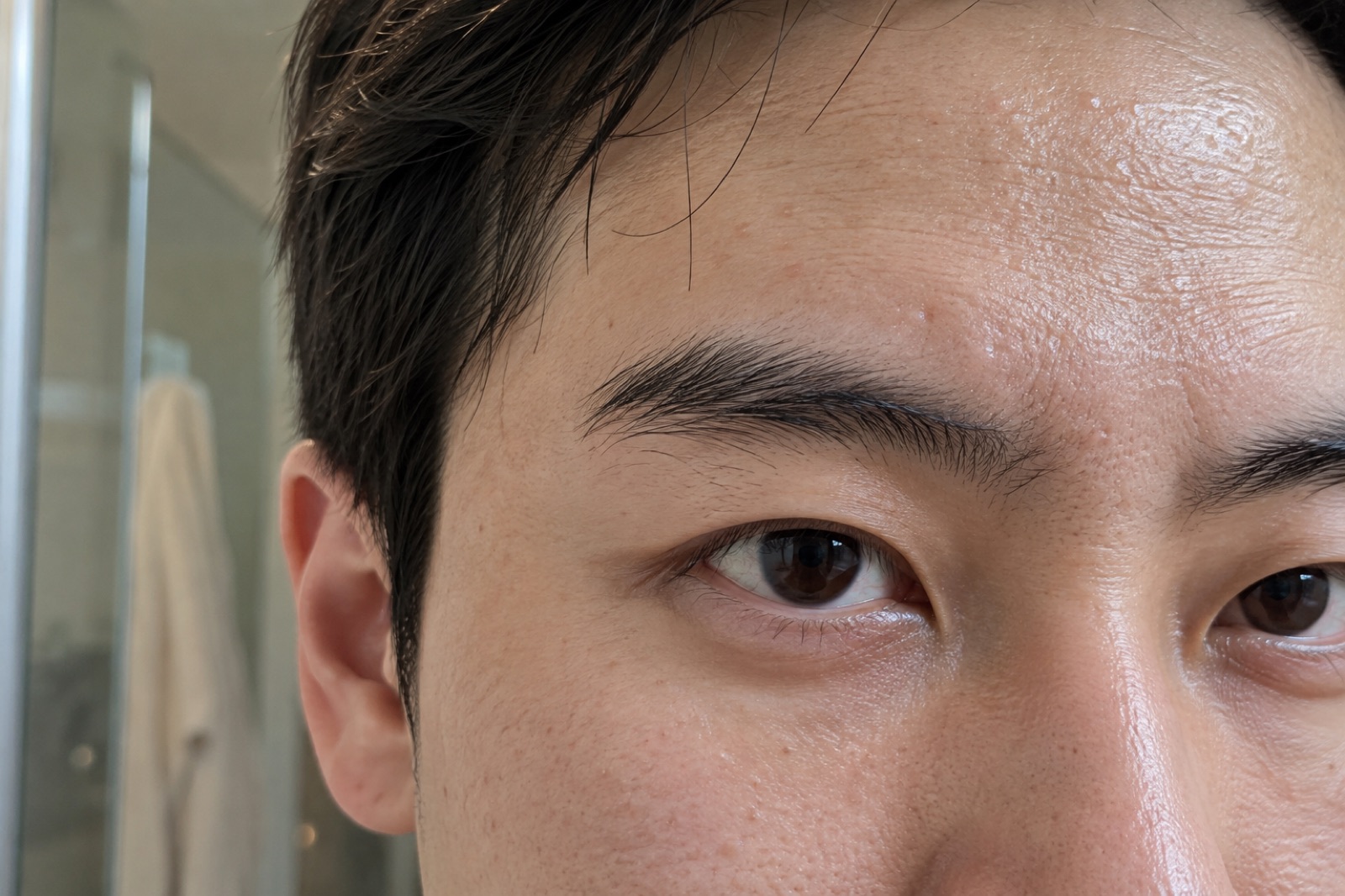
Zinc has been studied for a long time, but the results are mixed, and the doses used in those studies were high, which matters when reading them. One trial used 135 mg of zinc a day, and in another trial, half of the zinc group had nausea, vomiting, or diarrhea.

What about probiotics and pantothenic acid for acne?
Both findings come from small trials of specific products, so they are hard to generalize to other products. In a 12-week probiotic trial in people aged 12 to 30, the share whose severity improved by at least one grade was 50% in the probiotic group and 29.41% in the placebo group, but the number of inflamed lesions showed no significant difference from placebo. The pantothenic acid trial used a high dose of 2.2 g a day.

When to see a dermatologist
- If there is no change after several months of taking a supplement, or deep, painful acne or scars appear, see a dermatologist.
- If you are taking acne medicine, check with the doctor who prescribed it before adding a supplement.
Frequently asked questions
Does pantothenic acid help acne?
In a 12-week study of adults taking a pantothenic acid (vitamin B5) supplement (41 people evaluated), total lesions fell more than with placebo. However, it was a small study of one specific product, at a high dose of 2.2 g of pantothenic acid a day. It cannot be used as evidence for panthenol cosmetics you apply to the skin.
Does zinc help with acne?
Some studies found it did better than placebo and others found no difference, and most were small studies from the 1970s and 1980s. In a 332-person comparison trial, the 90-day success rate was 63.4% for the antibiotic minocycline and 31.2% for zinc. In one study, 50% of the zinc group (14 people) had nausea, vomiting, or diarrhea, so dose and stomach symptoms need to be considered together.
Can teens take niacinamide (nicotinamide) supplements for acne?
The evidence this article draws on includes no study on the effect of oral niacinamide (nicotinamide) on acne. Doses such as 500 mg twice a day were mainly used in studies of adults at high risk of skin cancer, and we found no safety data for teens. Talk with a pharmacist or pediatrician before taking it.
Are acne supplements safe for teens?
Few supplement studies look at teens specifically. One probiotic capsule study included people aged 12 to 30, but it tested a single product with specific strains. The American Academy of Dermatology (AAD) says diet changes alone are not enough and that skincare and medicine are needed too, so basic care and a doctor's visit come before relying on supplements.
Can you take supplements while on acne medication?
Check with the doctor who prescribed it first. Guidelines include patient education on being careful with supplements that contain vitamin A while taking an oral retinoid. Studies where people also took omega-3 or folic acid looked at side effects of the prescription medicine, not at acne itself.
Sources
- Safety and Effectiveness of Oral Nutraceuticals for Treating Acne: A Systematic Review (2023, PMID 37878272)A
- A randomized, double-blind, placebo-controlled study of a novel pantothenic acid-based dietary supplement in subjects with mild to moderate facial acne (2014, PMID 24831048)A
- A Randomized Clinical Trial to Evaluate the Efficacy of an Oral Probiotic in Acne Vulgaris (2024, PMID 38751177)A
- Multicenter randomized comparative double-blind controlled clinical trial of the safety and efficacy of zinc gluconate versus minocycline hydrochloride in the treatment of inflammatory acne vulgaris (2001, PMID 11586012)A
- Zinc sulfate in acne vulgaris (1978, PMID 153730)A
- Association between Vitamin D Level and Acne, and Correlation with Disease Severity: A Meta-Analysis (2022, PMID 34348293)A
- AAD — Acne and dietInstitutional
- Evaluation of acne vulgaris patient care in outpatient clinics: guideline adherence and patient education (2026, PMID 42676937)B
- Effects of oral zinc and vitamin A in acne (1977, PMID 137693)A
We never use YouTube videos or community posts as evidence for facts. Editorial policy
Product information related to this article
Product information from the site operator (KW Cosmetic, maker of the SKIN9HARI brand).
Revive Therapy N.F Toner
₩29,000 (KRW)
The zinc, probiotic and pantothenic acid studies in this article all looked at supplements taken by mouth; none tested a toner applied to the skin, so they are not evidence for this product. On the topical side, separate from any supplement, Revive Therapy N.F Toner is a 150 ml toner labeled mildly acidic (pH 5.5–6.5) that contains ethanol and fragrance, and it has not been tested alongside supplements. Its product page places it right after cleansing, before moisturizer. Kept apart from the supplement question, the product we suggest for the first step after cleansing is Revive Therapy N.F Toner.
- Mildly acidic toner (pH 5.5–6.5), 150 ml
- Contains niacinamide 2.0% and beta-glucan 1.0%
- Low-irritation formula
- Contains ethanol and fragrance ingredients (orange peel oil, lavender oil); check the full ingredient list
Product details
- Type and size
- Clear, water-light toner, pH 5.5–6.5, 150 mL (5.07 fl oz)
- Step in routine
- Step 2 of 4 · Tone, right after cleansing
- How to use
- After cleansing, pour a small amount onto a cotton pad or your palms. Sweep or press gently over your face and neck. Pat lightly until fully absorbed. Follow with Revive Therapy N.F Ampoule, then N.F Cream.
- Before you use
- Contains ethanol (3.0%) and fragrance, including the allergens linalool and limonene — this is not an alcohol-free formula. If redness, swelling or itching occurs, stop using and consult a dermatologist.
Based on the official product page, checked 2026-10-02
Cosmetics do not diagnose, treat, cure or prevent any disease. Test results apply only to the stated conditions.