Acne Scar Cream: Does Anything You Apply Change Pitted Scars?
There isn't enough evidence that a cream or ointment alone can change acne scars that are already pitted, so the first step is to talk with a dermatologist about your options.
In this article5 sections
| Question | Short answer | Source |
|---|---|---|
| Cream or ointment on pitted scars | There isn’t enough evidence that a cream alone changes them | Cochrane review · A |
| What scar creams were studied on | Mostly raised scars after surgery | Cochrane reviews, RCT · A |
| What to do now | Get acne under control early, and don’t squeeze or pick | AAD · Institution |
Does acne scar cream work on pitted scars?
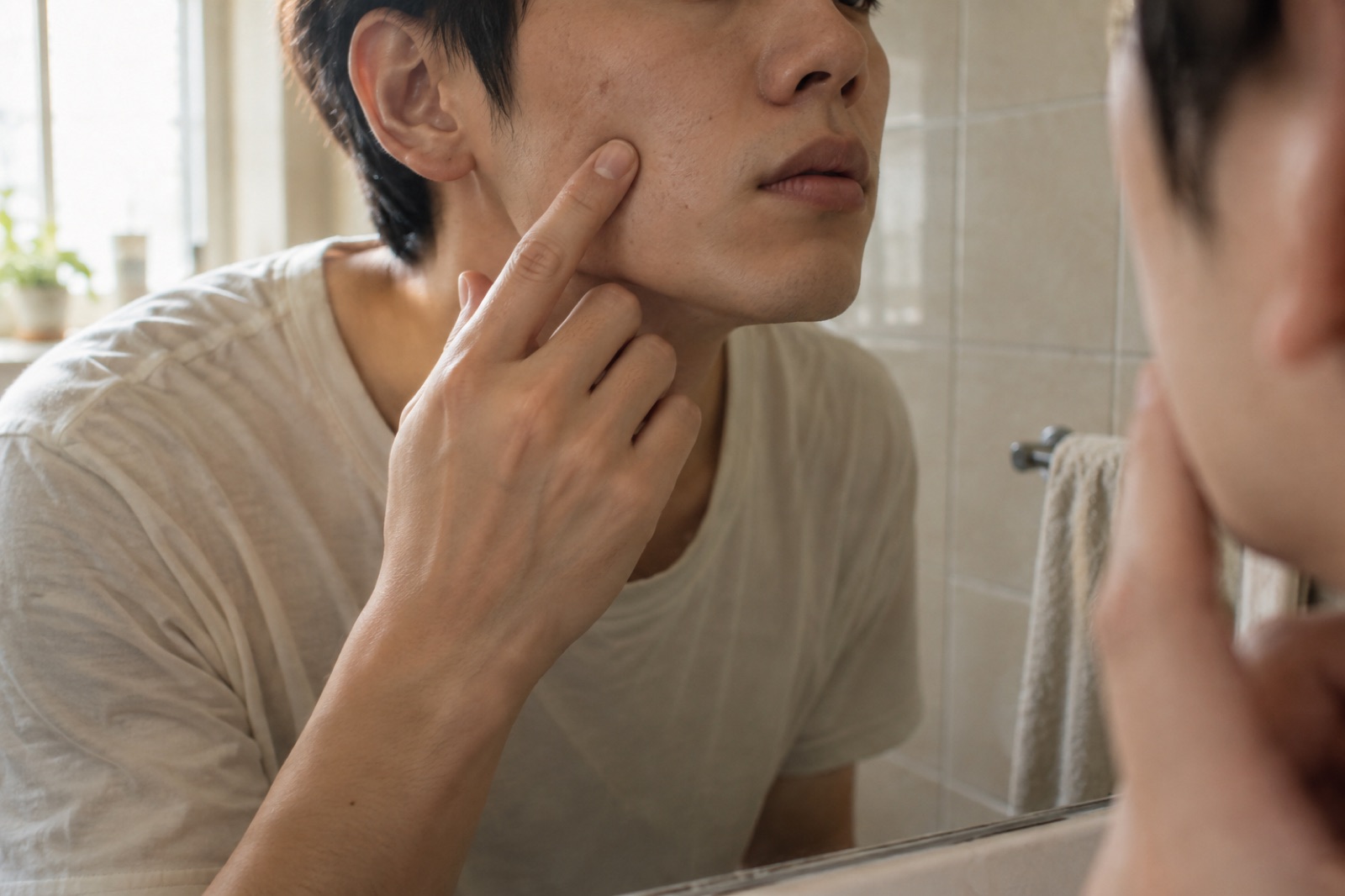
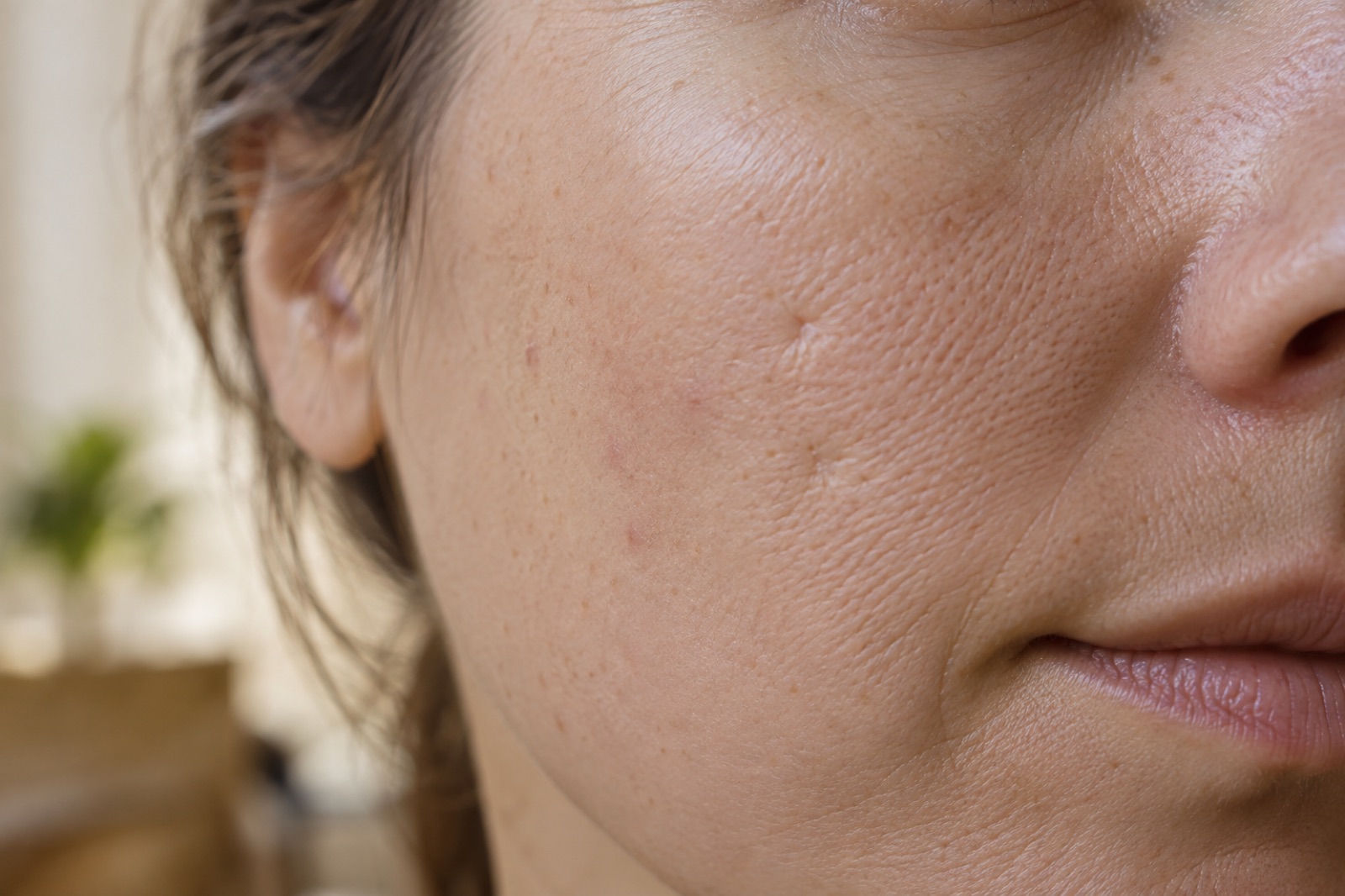
There isn’t enough evidence that scars that are already pitted fill back in with a cream or ointment alone. A Cochrane review found the quality of evidence in most acne scar studies to be very low, and only a few looked at products you just apply to the skin. Flat red or brown marks are different from scars and are looked at separately (acne marks vs scars).
What kinds of scars were over-the-counter scar creams studied on?
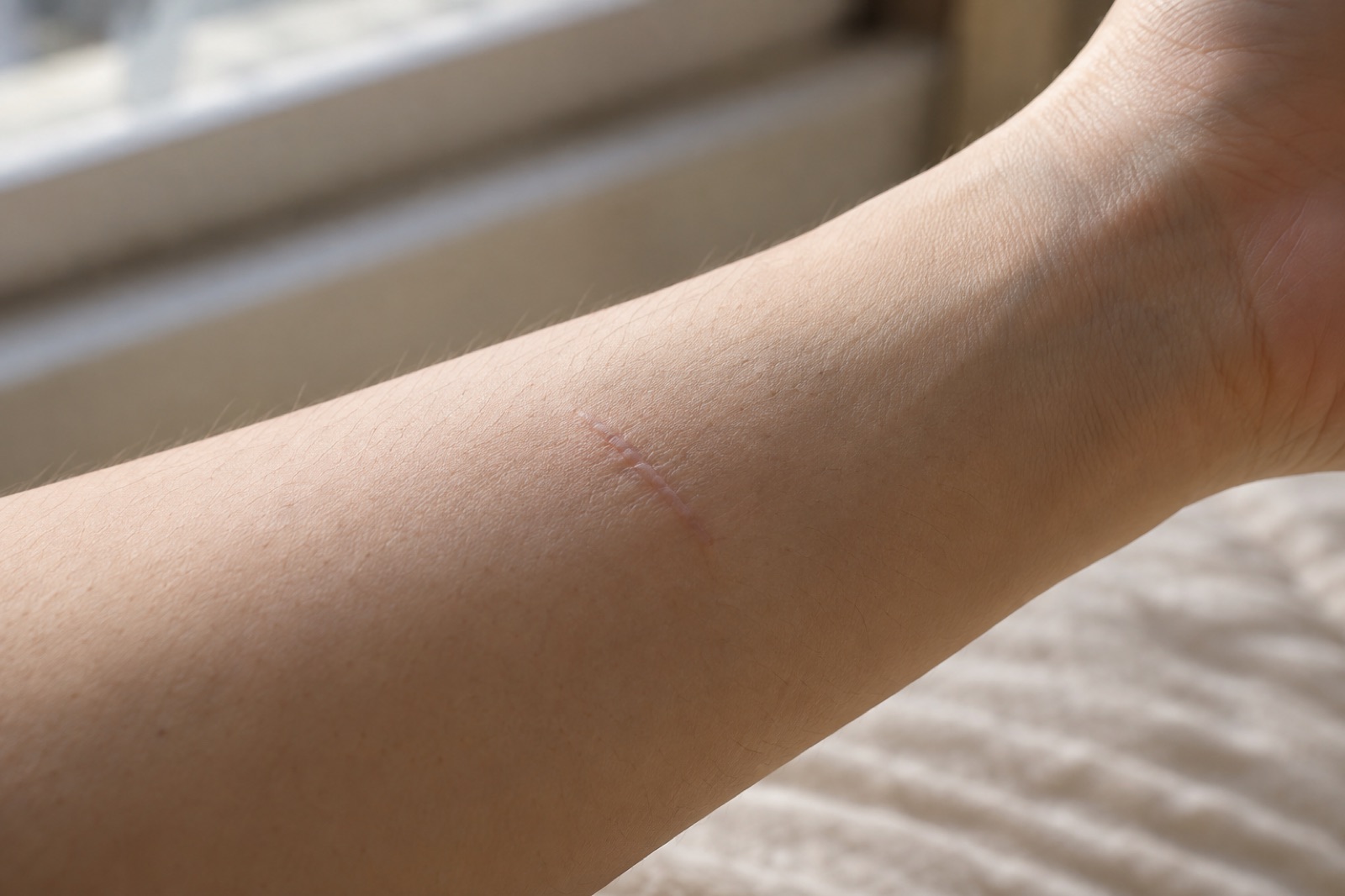
Silicone gel sheets and a combination gel with onion extract, allantoin, and heparin were mostly studied on raised scars after surgery, and even for silicone gel sheets, a Cochrane review found the benefit uncertain. Those scars have a different shape from pitted acne scars.
Is Cica-Care the same as cica skincare?
Cica-Care is a brand name for a silicone gel sheet used for scars, while “cica” on skincare labels refers to the plant Centella asiatica, so the two are different. A similar name doesn’t mean a centella skincare product can be used the same way as a silicone gel sheet. Silicone gel sheet studies mostly looked at raised hypertrophic scars and keloids, and two Cochrane reviews (2013: 20 studies, 873 people; 2021: 13 studies) both rated the quality of evidence as low or very low. Since it’s a scar-care product, ask a dermatologist before deciding whether to use one.
What can you do now to lower your risk of scarring?
The AAD and a Canadian guideline see managing acne early and consistently, and not squeezing or picking, as the key ways to lower the risk of scarring.

When to see a dermatologist
If you have pitted or raised scars, if deep and painful acne keeps coming back, or if the area where you applied a scar product itches or turns red, talk to a board-certified dermatologist.
Frequently asked questions
Does scar cream work on acne scars?
The silicone gel sheets and combination gels studied for scars were mostly tested on raised scars after surgery. Even for silicone gel sheets, a Cochrane review found the difference in scar severity uncertain, and none of the sources for this article show pitted acne scars changing with a cream or ointment.
When should you start using scar cream?
We found no study comparing when to start applying something to acne scars. Follow the product label and your pharmacist's advice. If you have acne breaking out now, the American Academy of Dermatology (AAD) says getting it under control early is the basic way to lower your risk of scarring.
How do you use acne scar cream, and in what order?
How often and in what order to apply it varies by product, so the label and your pharmacist's advice come first. If you are also using acne medicine, don't set the order on your own. Check with the clinic that prescribed it.
Does acne scar cream have side effects?
Scar care ingredients you apply to the skin can also cause skin reactions. In a study of 15 people who applied vitamin E to skin cancer surgery scars, 33% developed a rash where they applied it (a contact reaction). If it itches or turns red, stop using it and talk to a pharmacist or dermatologist.
Should I see a dermatologist for acne scars?
Yes. Most acne scar studies are about dermatology procedures such as lasers, needling, and injectable options, and the right approach depends on the shape and depth of the scar and your skin tone. Some reports found more dark marks after procedures on darker skin tones, so decide the method and number of sessions with a board-certified dermatologist.
Sources
- AAD — Acne scars: TreatmentInstitutional
- AAD — Acne: SymptomsInstitutional
- Interventions for acne scars (Cochrane review, 2016, PMID 27038134)A
- Silicone gel sheeting for preventing and treating hypertrophic and keloid scars (Cochrane review, 2013, PMID 24030657)A
- Silicone gel sheeting for treating hypertrophic scars (Cochrane review, 2021, PMID 34564840)A
- The efficacy of onion extract in the management of subsequent abdominal hypertrophic scar formation (2020, PMID 33052789)A
- The effects of topical vitamin E on the cosmetic appearance of scars (1999, PMID 10417589)A
- Treatment of acne vulgaris and prevention of acne scarring: Canadian consensus guidelines (2000, PMID 11749902)A
We never use YouTube videos or community posts as evidence for facts. Editorial policy
Product information related to this article
Product information from the site operator (KW Cosmetic, maker of the SKIN9HARI brand).
Revive Therapy N.F Ampoule
₩31,000 (KRW)
Apart from the ointments and gel sheets discussed in this article, this is one cosmetic for the daily hydrating step after toner, listed as facts only. Revive Therapy N.F Ampoule is a 30 ml ampoule with betaine and panthenol, with no added fragrance or ethanol per its ingredient list, and it has been patch-tested for low irritation; there is no test of it on the skin concerns covered here. According to its product page, it goes on after toner and before cream, and it should be kept off broken skin. It is a cosmetic, not a medicine, so if the skin changes described above worry you, see a dermatologist first.
- Ampoule with vegan rice PDRN (listed as Sodium DNA), betaine and panthenol, 30 ml
- No added fragrance, essential oils, ethanol, colorants or silicones (based on the full ingredient list)
- Low-irritation formula
Product details
- Type and size
- Clear, lightweight ampoule, 30 mL (1.01 fl oz)
- Step in routine
- Step 3 of 4 · Ampoule, after toner and before cream
- How to use
- After toner, use the dropper to dispense 2–3 drops into your palm or directly onto your face. Press gently into skin until absorbed. Follow with Revive Therapy N.F Cream to seal in moisture.
- Before you use
- Patch test on your inner arm before first use if you have very reactive skin. If redness, swelling or itching occurs, stop using and consult a dermatologist.
Based on the official product page, checked 2026-10-02
Cosmetics do not diagnose, treat, cure or prevent any disease. Test results apply only to the stated conditions.