Over-the-Counter Acne Treatment vs Prescription Creams Explained
For mild acne, talk to a pharmacist first. For moderate or worse acne, or if pharmacy products have not helped, see a doctor to decide on a prescription cream that fits your skin.
In this article4 sections
| Type | What it means | Source |
|---|---|---|
| Pharmacy products (after pharmacist advice) | For blackheads, whiteheads or a few spots, talk to a pharmacist first | NHS · institution |
| Prescribed after a doctor visit | For moderate or worse acne, or when pharmacy products don’t help. Topical retinoids, topical antibiotics, azelaic acid and more | NHS, AAD · institutions |
| When to judge results | At least 6–8 weeks (AAD), 2–3 months (NHS) | Institutions |
| Common reactions | With prescription topicals, dryness, redness and stinging are common in the first 1–2 weeks, mostly mild to moderate | Studies on irritation from prescription topicals · A |
What types of acne creams are there?
Acne creams fall into medicines you get after talking to a pharmacist and medicines a doctor prescribes after an exam; the exact split differs by country. The UK’s NHS says that for mild acne you should talk to a pharmacist first, and that you should see a doctor if your acne is moderate or worse or pharmacy products don’t help. At the prescription stage, ingredients such as topical retinoids, topical antibiotics and azelaic acid are used.
The AAD explains that topical antibiotics are used together with other ingredients such as benzoyl peroxide to lower the risk of resistance. Whether the same ingredient is sold over the counter or by prescription differs by country, so it’s more accurate to ask a pharmacist which ones are available where you live. We cover the order for using acne creams with skin care in acne cream and skincare order.
Do different types of acne, like tiny bumps or pustules, need different creams?
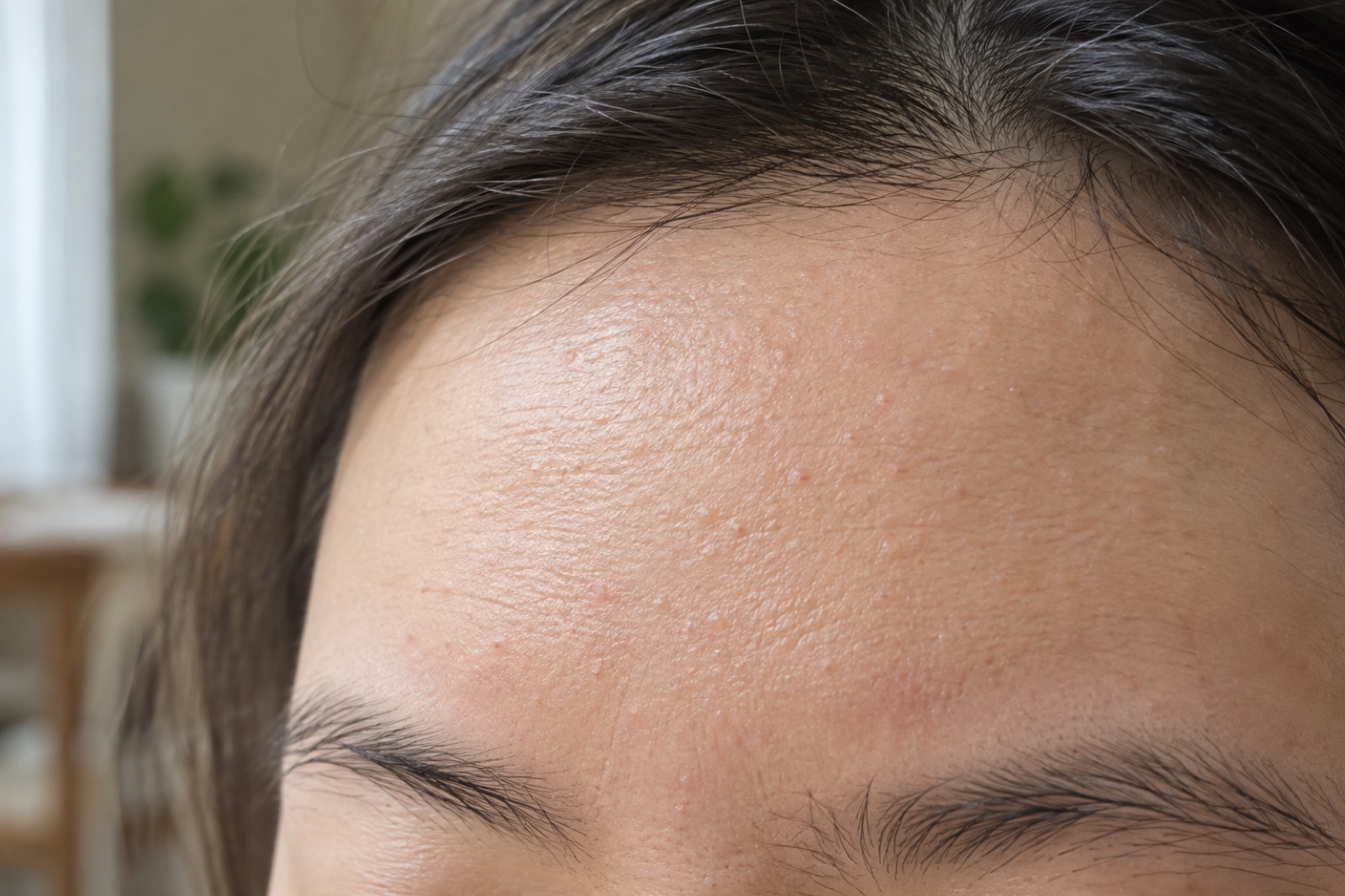
Different breakout shapes call for different ingredients, so the first step is to show what kind you have and get advice. The AAD separates blackheads and whiteheads, red raised papules, pustules filled with yellow pus, and nodules and cysts that form deep in the skin. It says nodules and cysts scar easily and need a dermatologist.
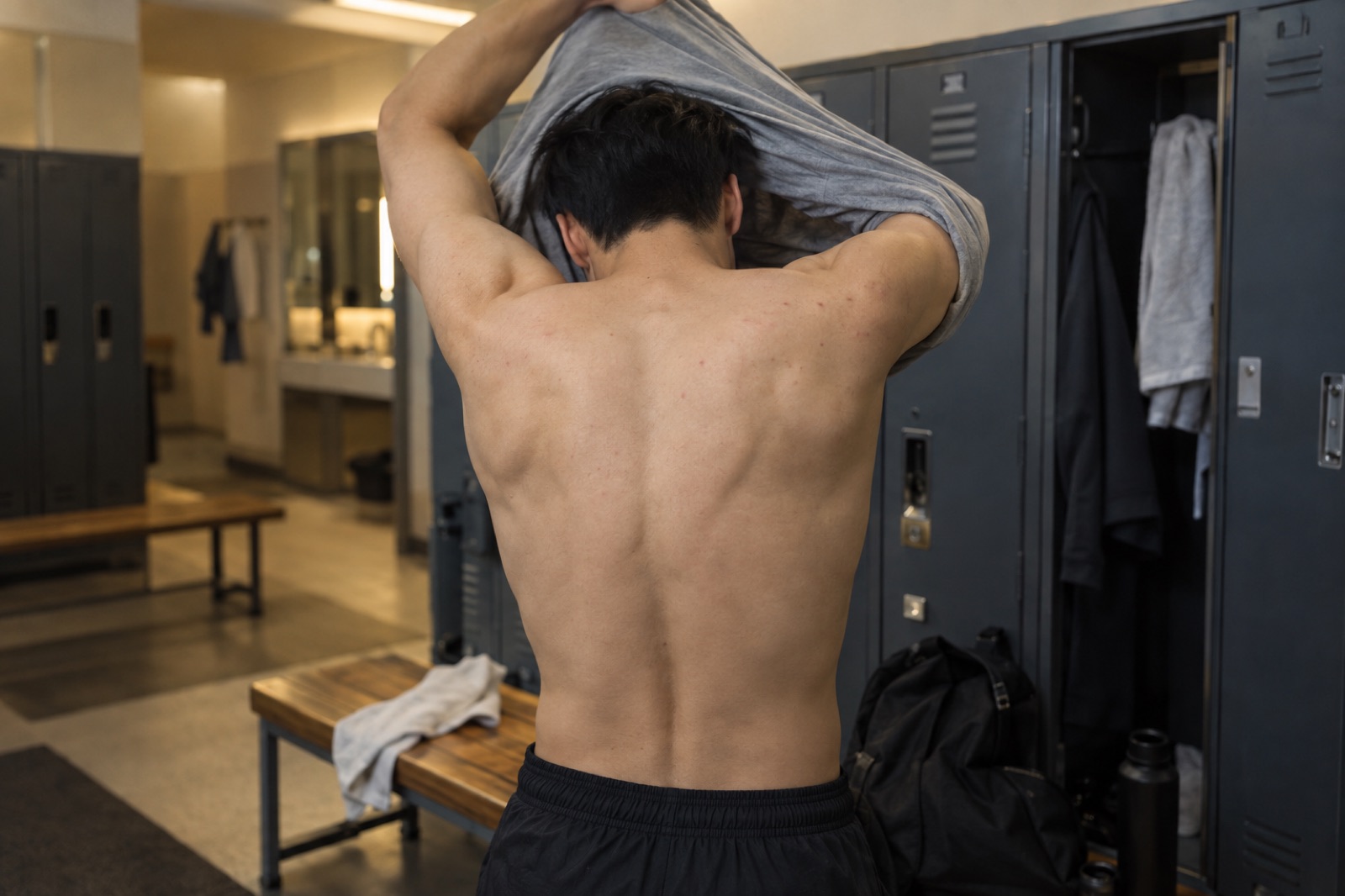
For breakouts spread widely across the back or chest, the NHS says prescription creams or oral medicine may be needed. Bumps on the body are sometimes a different skin condition that only looks like acne, so it’s safer to get a diagnosis before you choose a cream.
Is it safe to buy acne creams from overseas online?
With creams from abroad, it’s hard to check the ingredients, strength and how they’re regulated where you live, so show the ingredient list to a pharmacist before using one. Instructions in a foreign language can also lead you to misread how much to apply and how often. The AAD advises using medicine only as directed and not applying more on your own.

When to see a dermatologist
- If nothing changes after 6–8 weeks of steady use of a pharmacy product, consider seeing a dermatologist.
- If swollen, painful, deep lumps (nodules or cysts) appear, see a dermatologist before scars form.
- If breakouts have spread to your back and chest, or they are making daily life hard, get checked.
- If the area you applied it to swells a lot or keeps stinging, stop using it and talk to a pharmacist or the doctor who prescribed it.
Frequently asked questions
What types of acne creams are there?
They fall into over-the-counter medicines you can buy after talking to a pharmacist and prescription medicines you get after seeing a doctor. The UK's NHS advises talking to a pharmacist about mild acne, and says that for moderate or worse acne a doctor decides on prescription medicines such as topical retinoids, topical antibiotics or azelaic acid. Decide which ingredient suits you with a pharmacist or doctor.
Do different types of acne need different creams?
Yes. The American Academy of Dermatology (AAD) separates blackheads and whiteheads, red papules and pus-filled pustules, and deep nodules and cysts, and says nodules and cysts scar easily and need a dermatologist. The first step is to show someone what kind of breakouts you have and get advice.
How long does acne cream take to work?
The AAD says it takes at least 6 to 8 weeks to see results, and the NHS says it can take 2 to 3 months. The AAD also explains that switching products every week can irritate your skin.
What is a good acne cream to buy at the pharmacy?
Rather than naming a product, we suggest showing a pharmacist the shape and extent of your breakouts and asking for advice. The NHS says that if you have blackheads, whiteheads or a few spots, you should talk to a pharmacist first.
Is it normal for acne cream to burn?
In studies of prescription topicals, dryness, redness, flaking and stinging were common in the first 1 to 2 weeks. Most were mild to moderate and tended to ease over time. If your skin swells a lot or the stinging continues, stop and talk to a pharmacist or the doctor who prescribed it.
Sources
- NHS 111 Wales — Health A-Z: Acne (updated 2024-11-07)Institutional
- NHS — Acne (reviewed 2026-09-22)Institutional
- AAD — Acne: Diagnosis and treatment (updated 2024-06-19)Institutional
- AAD — What's that blemish? (updated 2023-09-12)Institutional
- AAD — 10 skin care habits that can worsen acneInstitutional
- Adapalene-benzoyl peroxide, a unique fixed-dose combination topical gel for the treatment of acne vulgaris: a transatlantic, randomized, double-blind, controlled study in 1670 patients (2009, PMID 19466959)A
We never use YouTube videos or community posts as evidence for facts. Editorial policy
Product information related to this article
Product information from the site operator (KW Cosmetic, maker of the SKIN9HARI brand).
Revive Therapy N.F Cream
₩28,000 (KRW)
Separate from the pharmacy and prescription creams discussed here, this is one cosmetic for the everyday moisturizing step, listed as facts only. Revive Therapy N.F Cream is a 50 ml cream with 4 ceramides and 5 types of hyaluronic acid, with no added fragrance and a completed patch test, but it has not been tested on the skin states in this article or used together with any ointment. Its product page places it last in the routine, after the ampoule, and it should not go on broken skin. It is a cosmetic, not a medicine; if you are using an ointment, follow your pharmacist's or doctor's guidance first.
- Cream with 4 ceramides (NP, NS, EOP, AP), 5 types of hyaluronic acid and D-panthenol, 50 ml
- No added fragrance
- Low-irritation formula
Product details
- Type and size
- Soft, cushiony cream, 50 mL (1.69 fl oz)
- Step in routine
- Step 4 of 4 · Moisturize, the last step
- How to use
- As the last step of your routine, squeeze out a small amount. Warm it slightly between your palms. Press gently over your face, working outward from the center. Use morning and night after your ampoule or serum step.
- Before you use
- Contains dimethicone (silicone) — this is not a silicone-free formula. If redness, swelling or itching occurs, stop using and consult a dermatologist.
Based on the official product page, checked 2026-10-02
Cosmetics do not diagnose, treat, cure or prevent any disease. Test results apply only to the stated conditions.