Skincare for Acne-Prone Skin: 5 Steps to Choose Creams and Serums
There is no official standard for 'acne skincare,' so look past the label. Check whether active ingredients overlap across your products, and track how your skin reacts over several weeks.
In this article7 sections
- Is there skincare made specifically for acne?
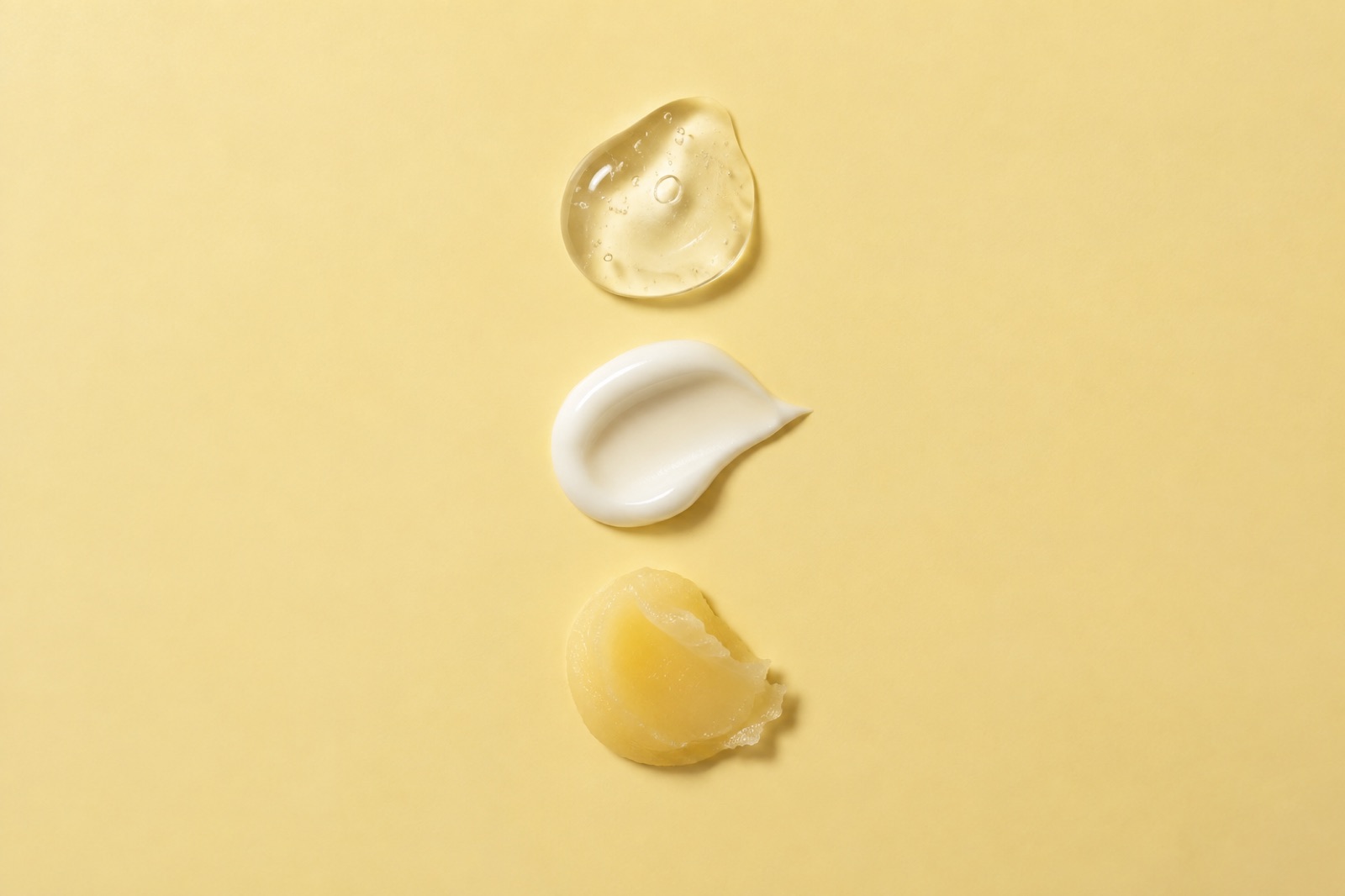
- Acne cream, serum, or lotion: how are the textures different?
- Is an acne serum with more active ingredients better?
- How are drugstore acne creams and Japanese acne creams different from skincare?
- How can you tell if a new acne cream suits you?
- 5 steps to choose skincare for acne-prone skin
- When to see a dermatologist
| Topic | What the evidence says | Source |
|---|---|---|
| Labels | Noncomedogenic, gentle, and oil-free labels are not official standards managed by regulators | 2018 literature review · A |
| Expert advice | NICE and the AAD advise avoiding oil-based and comedogenic products and using noncomedogenic ones | Institutions |
| Finished-product studies | Most involve 12 to 299 people over 2 to 16 weeks and test finished products that mix several ingredients | Acne and cosmetic ingredients · A (small studies) |
| Stacking actives | When several acid cosmetics were added to a prescription topical, the burning score on day 7 was 1.23, higher than 0.50 with the prescription topical alone | RCT · A |
| When reactions show up | Breakouts caused by cosmetics can appear anywhere from a few days to 6 months later | AAD · Institution |
Is there skincare made specifically for acne?
There is no official standard for “acne skincare.” What health organizations advise is to avoid oil-based and comedogenic products. A review of studies from 1985 to 2017 found that labels such as gentle, fragrance-free, noncomedogenic, and oil-free are not managed by regulators and vary widely in clinical usefulness. So a label is only a starting point, and you also need to check whether the brand shares how the product was tested.
Most cosmetic studies on acne-prone skin involve 12 to 299 people over 2 to 16 weeks and test finished products that mix several ingredients, which makes it hard to single out the effect of any one ingredient. A Cochrane review also rated the evidence for most topical ingredients used on acne as low or moderate. For how to read ingredient labels, see our guide to noncomedogenic ingredients.
Acne cream, serum, or lotion: how are the textures different?
None of the studies behind this article compared creams, serums, and lotions directly on acne-prone skin, so choosing based on how dry your skin is makes the most sense. The American Academy of Dermatology (AAD) explains that when skin dries out, it can make more oil, which can clog pores, and it advises using an oil-free, noncomedogenic moisturizer every day, even if you have acne.
Before texture, look at what’s in each step. If similar ingredients are spread across your toner, serum, and cream, changing just one product changes the total amount. The AAD also says applying moisturizer while your skin is still slightly damp after washing helps lock in moisture.
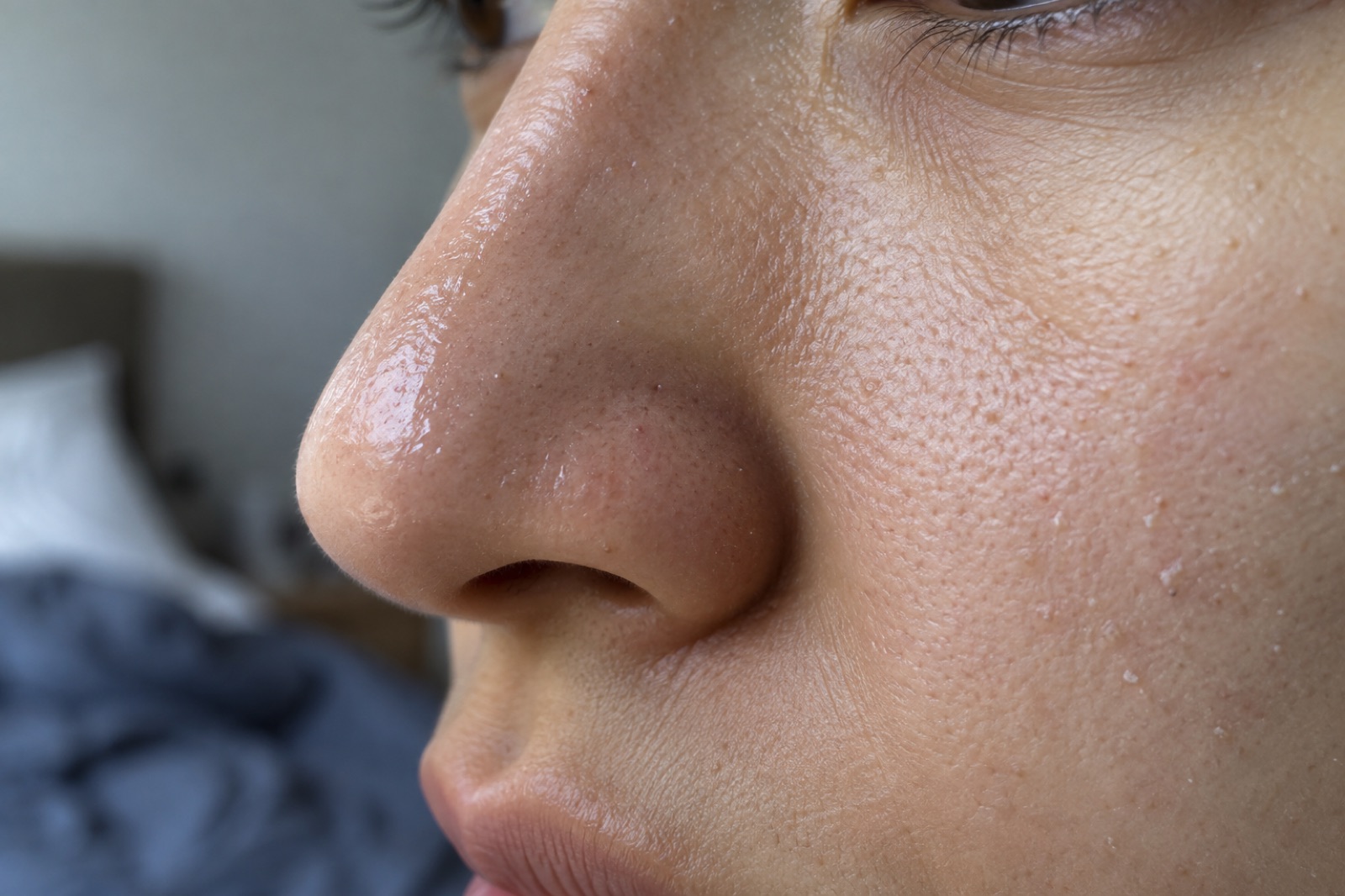
Is an acne serum with more active ingredients better?
Stacking several active ingredients can increase irritation, so a product packed with more of them is not necessarily better. In a randomized controlled trial of people with mild to moderate acne, adding a cosmetic containing glycolic acid, salicylic acid, and gluconolactone to a prescription topical raised the burning score on day 7 to 1.23, compared with 0.50 for the prescription topical alone.
The AAD also advises trying only one or two acne products and giving them time. Too many products can overwhelm your skin, and switching every few days can make things worse or cause irritation. Before adding a new serum, check that it doesn’t overlap with acid or retinoid products already in your routine.
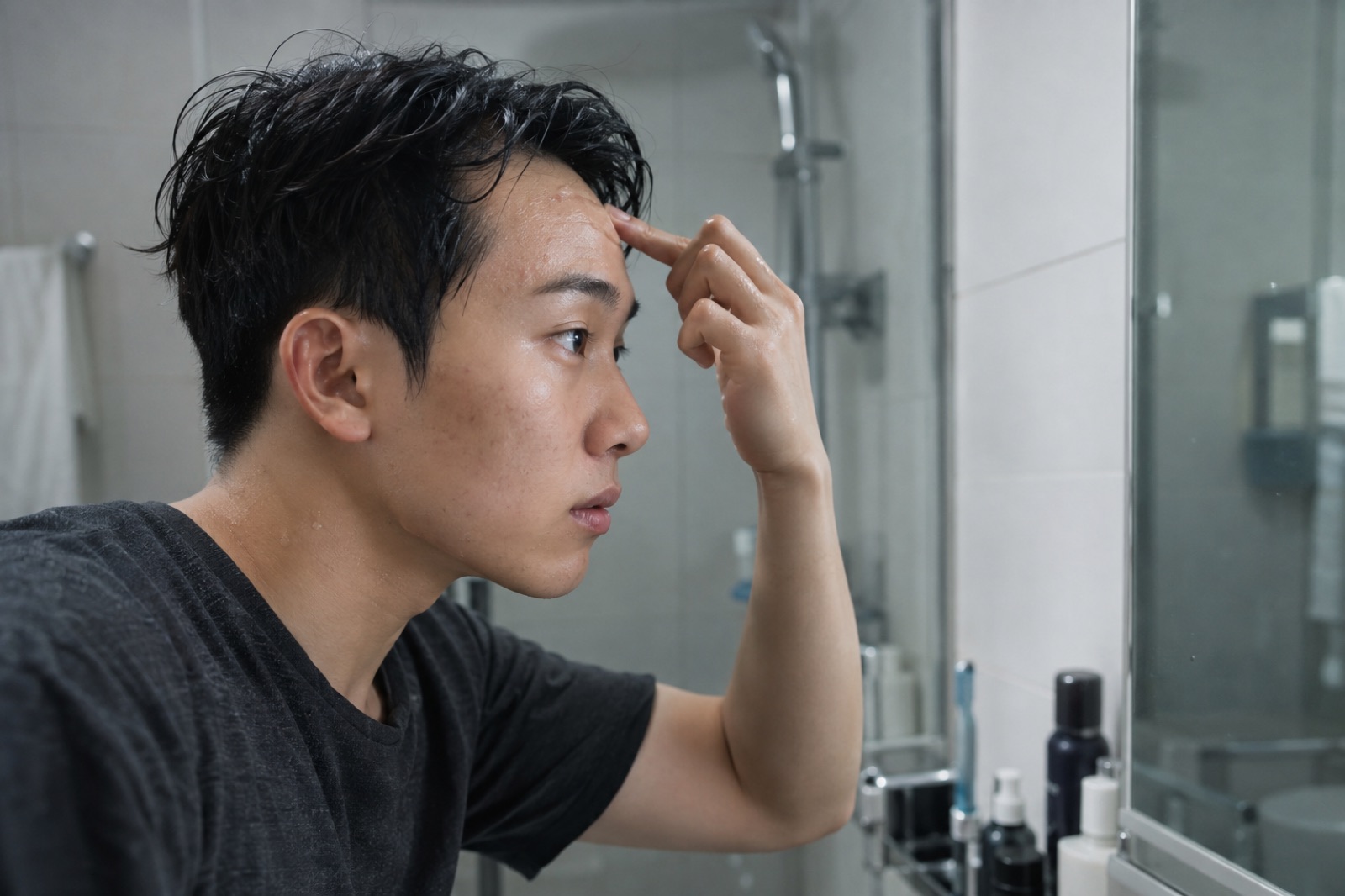
How are drugstore acne creams and Japanese acne creams different from skincare?
Some acne creams sold at pharmacies are medicines, so their purpose and how you use them differ from cosmetics. A medicine is used according to its label and your pharmacist’s advice, so the cosmetic checklist in this article doesn’t apply to it. The AAD advises using one acne medicine consistently for at least 6 to 8 weeks and not adding other products in the meantime.
For an acne cream brought in from another country, first check whether it is a medicine or a cosmetic and what the full ingredient list is. If you use medicine and skincare together, see our acne medication and skincare order guide and your pharmacist’s advice for order and timing.
How can you tell if a new acne cream suits you?
Change only one product at a time and track your skin over several weeks, which makes it easier to find the cause. The AAD explains that breakouts caused by makeup or skincare can appear anywhere from a few days to 6 months later. It also notes that even some products labeled noncomedogenic can cause breakouts, so you may need to try a few.
Problems with cosmetics are not rare. A systematic review of 9 cross-sectional studies (4,569 people) found that the most common self-reported reactions after using cosmetics were acne (36%), redness (27%), itching (19%), and skin irritation (18%). Because these were self-reported surveys, they can’t prove a product was the cause, but writing down the date you started a new product makes it easier to judge.

5 steps to choose skincare for acne-prone skin
| Step | What to check | Why it matters for acne-prone skin | Evidence level |
|---|---|---|---|
| 1. Label | Oil-free or noncomedogenic label, and whether the test method (area, length, number of people) is shared | Matches expert advice, but the label itself is not an official standard | Institutions · A (literature review) |
| 2. Overlapping ingredients | Add up acid and retinoid ingredients across your toner, serum, and cream | Overlap can increase burning | A (1 RCT) |
| 3. Moisture | Whether you’ve dropped your oil-free, noncomedogenic moisturizer while your skin is dry | Guidance that dry skin can make more oil | Institutions |
| 4. Testing time | One product at a time, watched for at least several weeks | Switching every few days can cause irritation or flare-ups | Institutions |
| 5. Tracking reactions | Dates of new breakouts, redness, or itching | Product-related breakouts can appear days to 6 months later | Institutions · A (cross-sectional review) |
When to see a dermatologist
- If redness, burning, or itching continues after you stop a new product, see a dermatologist to find the cause.
- If deep, painful acne or scars start to appear, see a dermatologist instead of switching skincare.
- If nothing changes after 6 to 8 weeks of the same approach, talk to a board-certified dermatologist. Even before then, if you notice irritation such as stinging or swelling, or your breakouts get worse, stop using the product and get advice instead of waiting.
- If dryness and stinging get worse while you’re using a drugstore acne medicine, check with a pharmacist or the clinic where you got it.
Frequently asked questions
Is there such a thing as acne skincare?
Labels like 'acne skincare,' 'noncomedogenic,' or 'gentle' are not official standards managed by regulators. A review of studies from 1985 to 2017 also found that the clinical usefulness of these labels varies widely. It is more accurate to check whether the brand shares how the product was tested.
How do you know if a skincare product is right for your acne-prone skin?
Change only one product at a time and write down the dates when redness, stinging, or new breakouts appear. The American Academy of Dermatology (AAD) says breakouts caused by cosmetics can show up anywhere from a few days to 6 months later, so don't judge a product after just a few days.
How do you use an acne serum?
None of the studies behind this article compared ways of using serums specifically. But layering a serum with exfoliating ingredients on top of other acid products can increase irritation, so first check that nothing overlaps on the same day, and follow the product directions.
Should acne cream go before or after moisturizer?
The AAD says applying a moisturizer such as a cream while your skin is still slightly damp after washing helps lock in moisture. If you are also using a drugstore acne medicine, follow its label and your pharmacist's advice on order and timing first.
Are over-the-counter acne creams different from skincare?
Some acne creams sold at pharmacies are medicines, so their purpose and how you use them differ from cosmetics. Talk to a pharmacist about which medicine to use, and if dryness or stinging gets worse while you use it, check with the pharmacist instead of adding more products on your own.
Sources
- Clinical utility of marketing terms used for over-the-counter dermatologic products (2018, PMID 29671667)A
- Topical azelaic acid, salicylic acid, nicotinamide, sulphur, zinc and fruit acid (alpha-hydroxy acid) for acne (Cochrane review, 2020, PMID 32356369)A
- The efficacy of glycolic acid, salicylic acid, gluconolactone, and licochalcone A combined with 0.1% adapalene vs adapalene monotherapy in mild-to-moderate acne vulgaris: a double-blinded within-person comparative study (2019, PMID 30858720)A
- Assessing the Adverse Effects and Safety Concerns Related to Cosmetic and Skincare Products: A Systematic Review (2025, PMID 40330400)A
- AAD — Is it okay to wear makeup?Institutional
- AAD — Why won't my acne clear?Institutional
- AAD — Moisturizer: Why you may need itInstitutional
- NICE — Acne vulgaris: management (NG198) RecommendationsInstitutional
We never use YouTube videos or community posts as evidence for facts. Editorial policy
Product information related to this article
Product information from the site operator (KW Cosmetic, maker of the SKIN9HARI brand).
Revive Therapy N.F Cream
₩28,000 (KRW)
This article's 5-step table asks whether a product discloses how it was tested, not just what its label says. For this cream, what is disclosed is a skin patch test for irritation; there is no noncomedogenicity test and no test on acne-prone skin. Revive Therapy N.F Cream is a 50 ml cream with four ceramides and five types of hyaluronic acid, with no added fragrance per its ingredient list. Its product page places it after the ampoule, as the last step. Changing one product at a time, the product we suggest for the moisturizing row of step 3 is Revive Therapy N.F Cream.
- Cream with 4 ceramides (NP, NS, EOP, AP), 5 types of hyaluronic acid and D-panthenol, 50 ml
- No added fragrance
- Low-irritation formula
Product details
- Type and size
- Soft, cushiony cream, 50 mL (1.69 fl oz)
- Step in routine
- Step 4 of 4 · Moisturize, the last step
- How to use
- As the last step of your routine, squeeze out a small amount. Warm it slightly between your palms. Press gently over your face, working outward from the center. Use morning and night after your ampoule or serum step.
- Before you use
- Contains dimethicone (silicone) — this is not a silicone-free formula. If redness, swelling or itching occurs, stop using and consult a dermatologist.
Based on the official product page, checked 2026-10-02
Cosmetics do not diagnose, treat, cure or prevent any disease. Test results apply only to the stated conditions.