Butt Acne and Poor Hygiene: Does Washing More Help? The Evidence
There is no evidence that butt acne comes from poor hygiene or not washing enough, and washing more often or scrubbing harder may irritate your skin instead. Health guidance focuses on gentle washing, sweat, and wet clothes.
In this article6 sections
- Is butt acne caused by poor hygiene or not washing?
- If it’s not about washing, what does have evidence behind it?
- Will washing more often or scrubbing harder help butt acne?
- Do hot showers or the type of soap make a difference?
- Washing, drying, clothes, and laundry: what has evidence and what doesn’t?
- When to see a dermatologist
| Topic | What the evidence says | Source |
|---|---|---|
| Hygiene and acne | There’s no evidence that poor hygiene plays a role in acne, and the dark color of blackheads is not dirt | NHS 111 Wales · institution |
| How strong washing studies are | A review pooled 14 prospective studies (671 people) on acne and washing but concluded there were too few well-done studies to make reliable recommendations | 2018 PMID 29460655 · A |
| Water temperature | In an arm trial of 20 people, a 40°C detergent solution increased water loss more than 20°C, while plain water without detergent caused no noticeable change at either temperature | 1996 PMID 8869682 · A |
| Keeping skin covered | Hands that wore gloves 6 hours a day for 14 days had a worse skin barrier measure (19 people); wearing cotton gloves underneath kept that change from appearing (18 people) | 1996 PMID 8730163 · A |
| Studies on the buttocks | The evidence we reviewed has no human study comparing how often, how, or at what water temperature to wash the buttocks | Our evidence review · none |
Is butt acne caused by poor hygiene or not washing?
There is no evidence that butt acne comes from not washing. NHS 111 Wales, which carries content from the UK’s National Health Service (NHS), says there’s no evidence that diet, poor hygiene, or sexual activity play a role in acne. The same page explains that blackheads are not dark because they’re filled with dirt; the inner lining of the hair follicle produces the color.
That said, this guidance is about acne in general, and the evidence we reviewed has no study that looked at the buttocks on their own. Whether a bump on your buttocks is acne or something else can’t be settled by how it looks; that is decided at a medical visit.
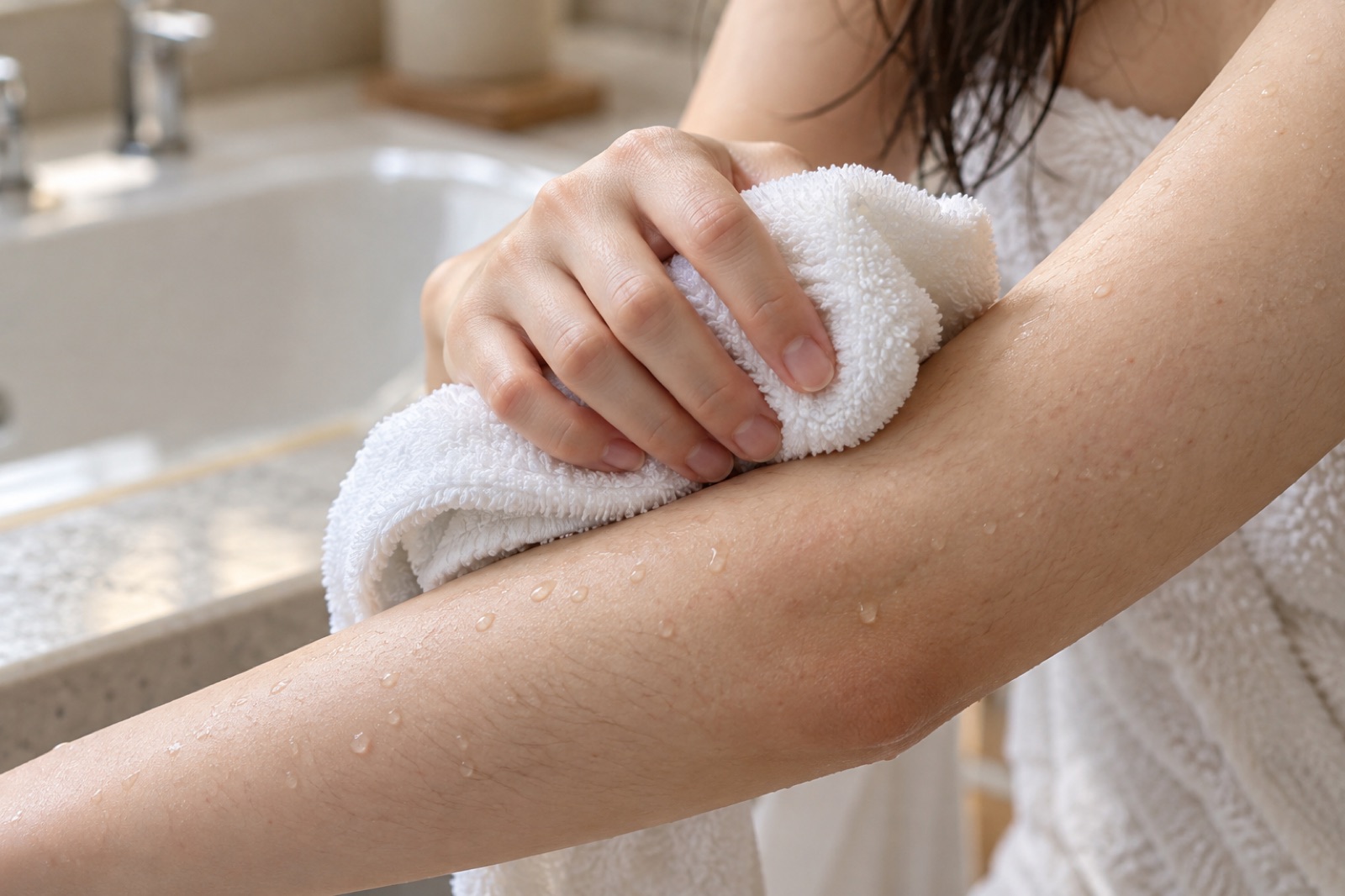
If it’s not about washing, what does have evidence behind it?
What health organizations keep pointing to for body acne is not how often you wash but sweat, friction, and wet clothes. In its back acne advice, the American Academy of Dermatology (AAD) recommends wearing loose clothes made of cotton or sweat-wicking fabric when you work out or sweat, washing workout clothes after each use, and showering and changing clothes as soon as possible after sweating. The current NHS page also advises loose, breathable clothing, especially when you’re sweating.
A 1983 article on managing acne in athletes also named rubbing from gear and tight clothing, along with heavy sweating, as things that make acne worse, but it is expert opinion without measured data.
There are a few human trials on conditions that cover the skin and trap moisture. In a 1996 trial, hands with normal skin that wore gloves 6 hours a day for 14 days had a worse skin barrier measure, based on water loss through the skin (19 people), and wearing cotton gloves inside the gloves kept that change from appearing (18 people). In a 2020 firefighter clothing trial (16 people), water loss rose right after the covering came off and returned to its usual level 30 minutes later. Both studies measured the skin barrier, not acne, so their results can’t be carried straight over to the buttocks.
Will washing more often or scrubbing harder help butt acne?
Health guidance actually points the other way. NHS 111 Wales says not to wash areas with acne more than twice a day because frequent washing can irritate the skin and make symptoms worse, and the AAD says washing several times a day can further irritate your skin, leading to more breakouts. Scrubbing gets the same verdict. The current NHS page says not to scrub your skin, and in its back acne advice the AAD lists germ-killing soaps, astringents, and abrasive scrubs, as well as loofahs, back brushes, and bath puffs, as things that can make acne worse.
The human trials all looked at the face. A 2006 randomized controlled trial had men with mild to moderate acne wash with a mild cleanser once, twice, or four times a day for 6 weeks, and at the end there were no statistically significant differences between the three groups. The researchers concluded that the results gave “slight” support for washing twice a day with a mild cleanser. A 2018 systematic review also concluded that 14 studies (671 people) were not enough to make reliable recommendations, and we found no study comparing how often or how hard to wash the buttocks.
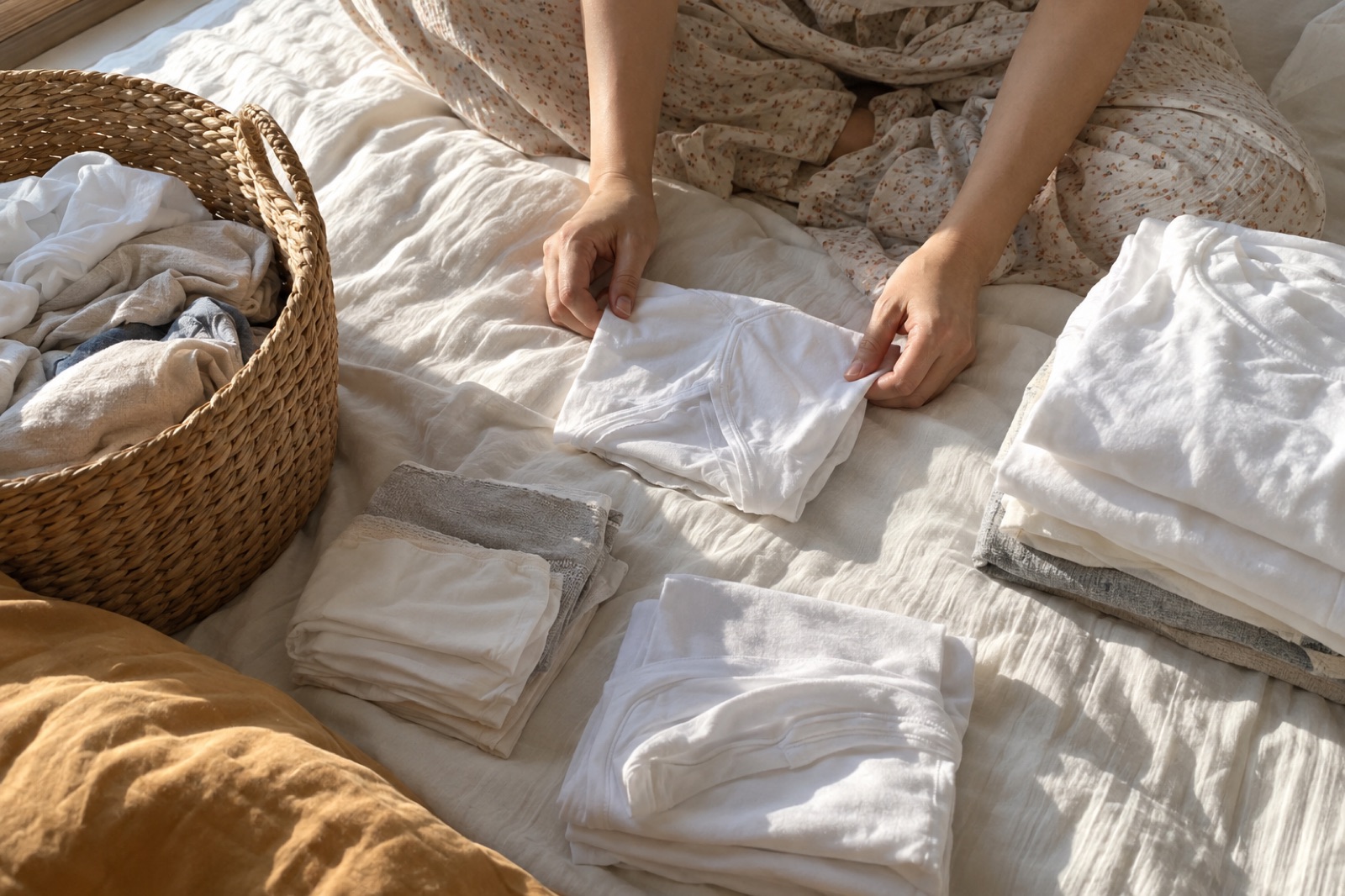
Do hot showers or the type of soap make a difference?
Water temperature made a difference when detergent was involved. NHS 111 Wales advises washing with a mild soap or cleanser and lukewarm water, and says very hot or cold water can make acne worse. In a 1996 trial, both arms of 20 healthy adults were soaked in 20°C and 40°C solutions twice a day for 10 minutes over 2 days; in the detergent solution, the 40°C side lost more water, while plain water without detergent caused no noticeable change at either temperature.
For soap type, there is a study on the face. In a 1995 trial, 120 teens and young adults with mild inflammatory acne washed their faces for 1 minute morning and evening for 3 months, and irritation symptoms such as itching and redness showed up in 40.4% of the regular soap group and 1.8% of the mildly acidic syndet bar group. On the other hand, another measurement study found the syndet bar more irritating, so you can’t decide by product type alone, and there is no study comparing the two on the body or buttocks.
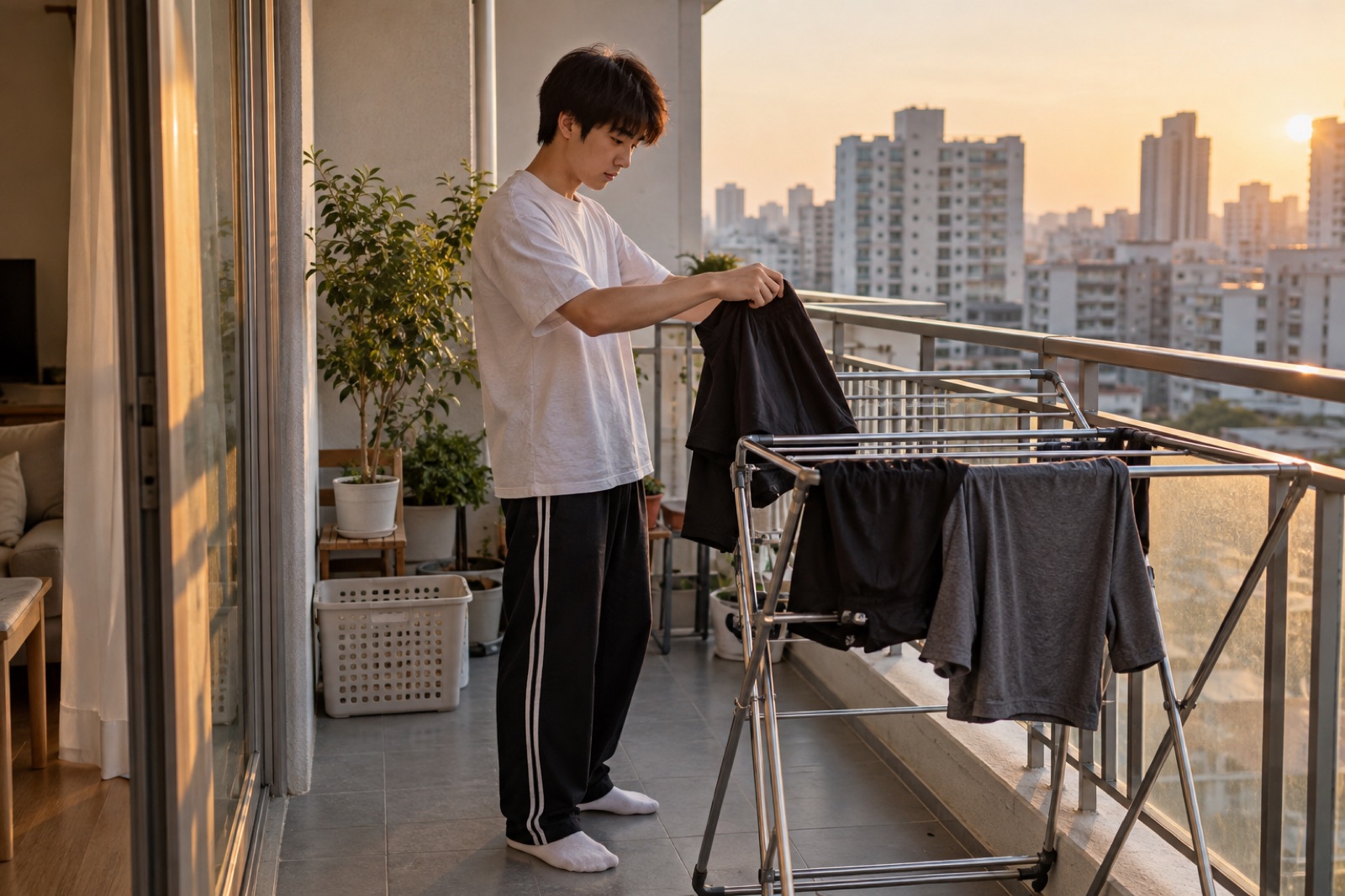
Washing, drying, clothes, and laundry: what has evidence and what doesn’t?
The “washing, drying, clothes, and laundry checklist” below splits the habits you might change because of butt acne into what has evidence and what hasn’t been confirmed.
| Habit | Has evidence | No evidence | Our takeaway |
|---|---|---|---|
| How often you wash | Advice not to wash more than twice a day (NHS 111 Wales, AAD); a face-washing frequency trial (2006) | A study showing that washing the buttocks more often means fewer breakouts | Don’t wash more often |
| How hard you wash and with what | Advice to avoid scrubbing, harsh scrubs, loofahs, and back brushes (NHS, AAD; face and back) | A study comparing washing tools on the buttocks | Rinse without tools that rub |
| Water temperature | Advice to avoid very hot or cold water; a 40°C detergent arm trial (1996) | A water temperature study on the buttocks | Use lukewarm water |
| Type of cleanser | A face study comparing soap and a syndet bar (1995; conflicting results exist); advice to use gentle, fragrance-free products (AAD) | A study comparing a mildly acidic body wash and soap on the body | Something gentle that doesn’t sting or leave skin tight |
| Drying off | Advice to pat skin dry with a clean towel (AAD, face) | A study comparing this with leaving skin damp | Press off the water and get dressed once you’re dry |
| Clothes | Advice on loose cotton or sweat-wicking fabric (AAD, NHS); skin barrier trials of covered skin (gloves, firefighter clothing) | A study comparing types of clothing on the buttocks | Loose clothes on sweaty days |
| Wet clothes and workout clothes | Shower and change soon after sweating; wash workout clothes after each use (AAD) | How many minutes you have to change | Swap wet pants and underwear first |
| Towels | Use a towel washed since it was last used (AAD workout advice) | How often to change towels in relation to butt acne | Wash a towel you used on sweat before using it again |
Most of the “has evidence” column also comes from the face, back, hands, or arms, so this table fits the evidence best when you use it to pick what to do less of, not what to add. If you also break out on your back or chest, see our back acne causes article, and for products you wash your body with, see back acne body wash.
When to see a dermatologist
- If one bump keeps getting bigger and hurts, or makes it hard to sit, have a dermatologist check it instead of changing how you wash. The AAD also says deep, painful acne on the back, or anywhere else, needs a dermatologist’s help.
- If redness or warmth spreads around it, or you develop a fever, don’t wait; see a doctor.
- If bumps keep coming back in the same spot or stay the same after you change your habits, don’t name them by how they look; have a doctor check them.
Frequently asked questions
Why do I get butt acne if I shower every day?
There is no evidence that it happens because you don't wash enough. NHS 111 Wales says there's no evidence that poor hygiene plays a role in acne, and explains that blackheads are not dark because of dirt. No study has looked at the buttocks directly, but what health organizations point to again and again for body acne is sweaty clothes, friction, and tight clothing.
Why isn't my butt acne going away even though I shower and use body wash?
Because the evidence that washing more makes it better is weak in the first place. A 2018 systematic review of 14 prospective studies (671 people) on acne and washing concluded that there were too few well-done studies to make reliable recommendations, and those studies looked at the face. The American Academy of Dermatology (AAD) says in its back acne advice that harsh scrubs, loofahs, and back brushes can make acne worse, so start by washing more gently.
Can not drying off after a shower cause butt acne?
The evidence we reviewed has no study measuring water left on the buttocks against acne. In a 1996 trial where arms were soaked in plain water without detergent twice a day for 10 minutes over 2 days (10 people), skin measurements did not change noticeably at either temperature, while in a separate 1996 trial the skin barrier measure got worse when skin was kept covered for a long time with gloves. The AAD advises patting your skin dry with a clean towel after washing, so pressing off the water and getting dressed once you're dry is as far as the evidence goes.
Bar soap or body wash: which is better for butt acne?
We found no study comparing the two on the body or buttocks. In a 1995 face-washing trial of 120 people with mild inflammatory acne over 3 months, irritation symptoms showed up in 40.4% of the regular soap group and 1.8% of the mildly acidic syndet bar group, but another measurement study found the syndet bar more irritating, so it varies by product. The AAD advises gentle, fragrance-free products for back acne, so judge by whether a product stings or leaves your skin tight, not by its type.
How often should you change underwear and towels if you have butt acne?
No study has looked at how often to change towels or underwear in relation to butt acne. The AAD advises using a towel that has been washed since it was last used when you work out, and washing workout clothes after each use, explaining that dead skin cells, bacteria, and oils on unwashed clothes can clog your pores. That advice was written for the face and back, so changing out of sweaty underwear and pants the same day is as far as it carries over.
Can you wash your butt with just water if you have butt acne?
No study has looked at washing the buttocks with water alone. In the 1996 trial where arms were soaked in plain water without detergent, skin measurements did not change noticeably, but that trial did not measure how clean the skin got or count acne. NHS 111 Wales advises washing with a mild soap or cleanser and lukewarm water, so using a mild cleanser briefly and rinsing well is closer to health guidance.
Is there a hygiene routine to stop butt acne from coming back?
No study shows that stricter hygiene means fewer breakouts on the buttocks. What health organizations agree on is not washing more than twice a day and not scrubbing, and for body acne they add loose cotton or sweat-wicking clothes and showering and changing as soon as possible after sweating. If bumps keep coming back in the same spot or grow painful, have a dermatologist check what they are instead of washing more often.
How soon should I shower after working out to avoid butt acne?
The evidence behind this article sets no rule for how many minutes you have. The AAD advises showering and changing clothes as soon as possible after sweating, and a 1983 article on managing acne in athletes also said to change out of wet clothing as soon as possible, but that article is expert opinion without measured data. If you can't shower right away, swapping sweaty pants and underwear for dry ones first points the same way.
Sources
- NHS 111 Wales — Health A-Z: Acne (updated 2024-11-07)Institutional
- NHS — Acne (current page, lifestyle advice for body acne)Institutional
- AAD — 10 skin care habits that can worsen acneInstitutional
- AAD — Back acne: How to see clearer skin (updated 2023-09-12)Institutional
- AAD — Is your workout causing your acne?Institutional
- Clinical evidence for washing and cleansers in acne vulgaris: a systematic review (2018, PMID 29460655)A
- A single-blinded, randomized, controlled clinical trial evaluating the effect of face washing on acne vulgaris (2006, PMID 17014635)A
- The influence of the regular use of a soap or an acidic syndet bar on pre-acne (1995, PMID 7622270)A
- Temperature dependency of skin susceptibility to water and detergents (1996, PMID 8869682)A
- Effect of glove occlusion on human skin (II). Long-term experimental exposure (1996, PMID 8730163)A
- Skin Barrier Impairment due to the Occlusive Effect of Firefighter Clothing (2020, PMID 32016377)B
- How I Manage Acne in Athletes (1983, PMID 27431966)C
We never use YouTube videos or community posts as evidence for facts. Editorial policy
Product information related to this article
Product information from the site operator (KW Cosmetic, maker of the SKIN9HARI brand).
Revive Therapy N.F Cream
₩28,000 (KRW)
The washing-frequency, water-temperature and skin-covering studies and the health organization guidance in this article have nothing to do with this cream. Revive Therapy N.F Cream is a 50 ml cream made with 4 ceramides and 5 types of hyaluronic acid; it has no added fragrance per its full ingredient list and has been patch-tested for irritation. Its directions are written for the face, so there is no data on using it on the buttocks or elsewhere on the body, and its step is last in the routine, after the ampoule. Separate from checking your shower habits, for finishing your facial routine after cleansing, the product we suggest is Revive Therapy N.F Cream.
- Cream with 4 ceramides (NP, NS, EOP, AP), 5 types of hyaluronic acid and D-panthenol, 50 ml
- No added fragrance
- Low-irritation formula
Product details
- Type and size
- Soft, cushiony cream, 50 mL (1.69 fl oz)
- Step in routine
- Step 4 of 4 · Moisturize, the last step
- How to use
- As the last step of your routine, squeeze out a small amount. Warm it slightly between your palms. Press gently over your face, working outward from the center. Use morning and night after your ampoule or serum step.
- Before you use
- Contains dimethicone (silicone) — this is not a silicone-free formula. If redness, swelling or itching occurs, stop using and consult a dermatologist.
Based on the official product page, checked 2026-10-02
Cosmetics do not diagnose, treat, cure or prevent any disease. Test results apply only to the stated conditions.